
Estimated reading time: 24 minutes
Photos: Ade Brannan
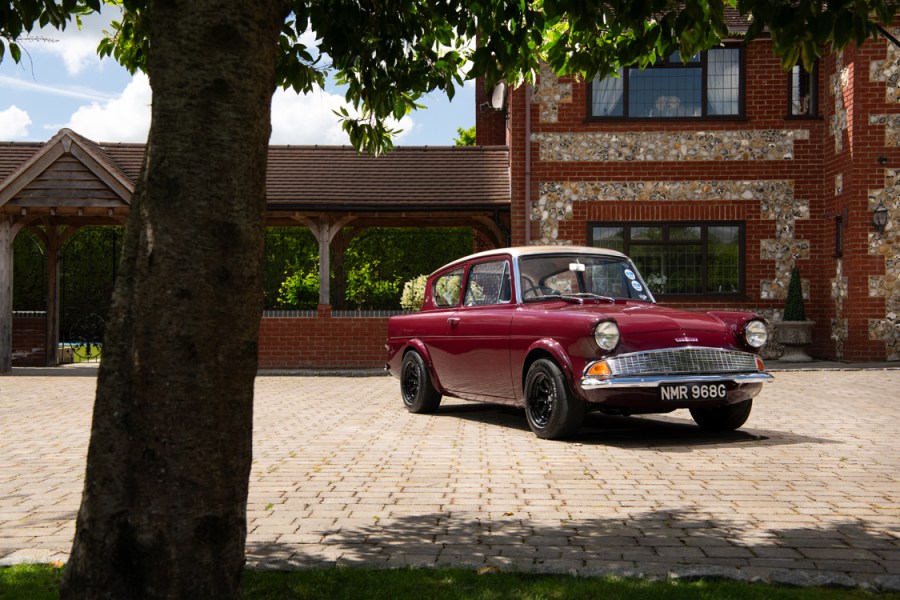
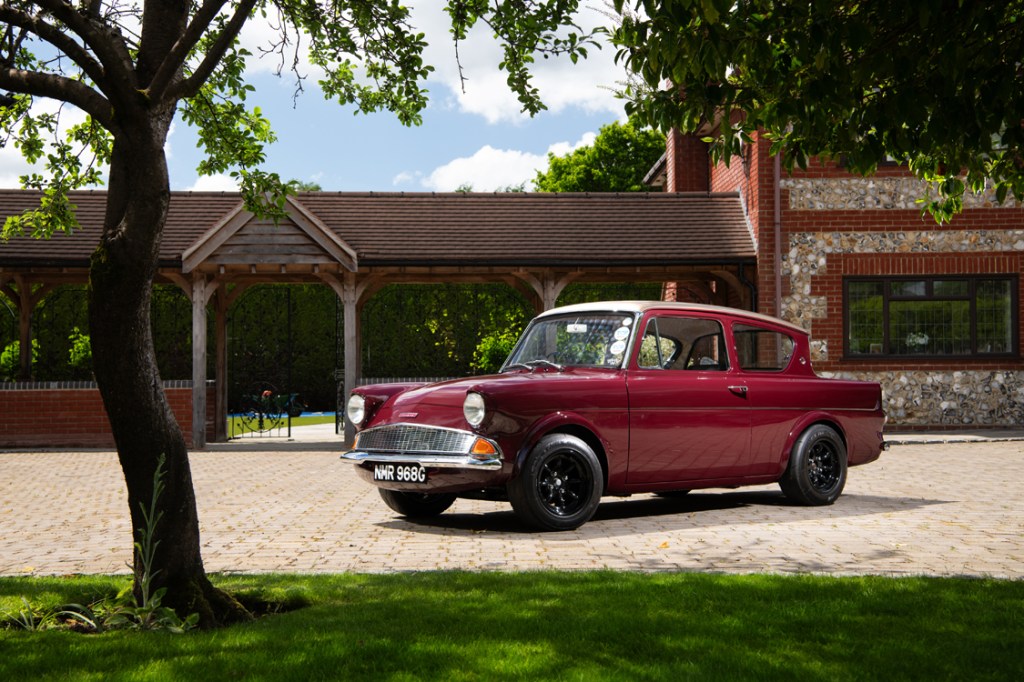
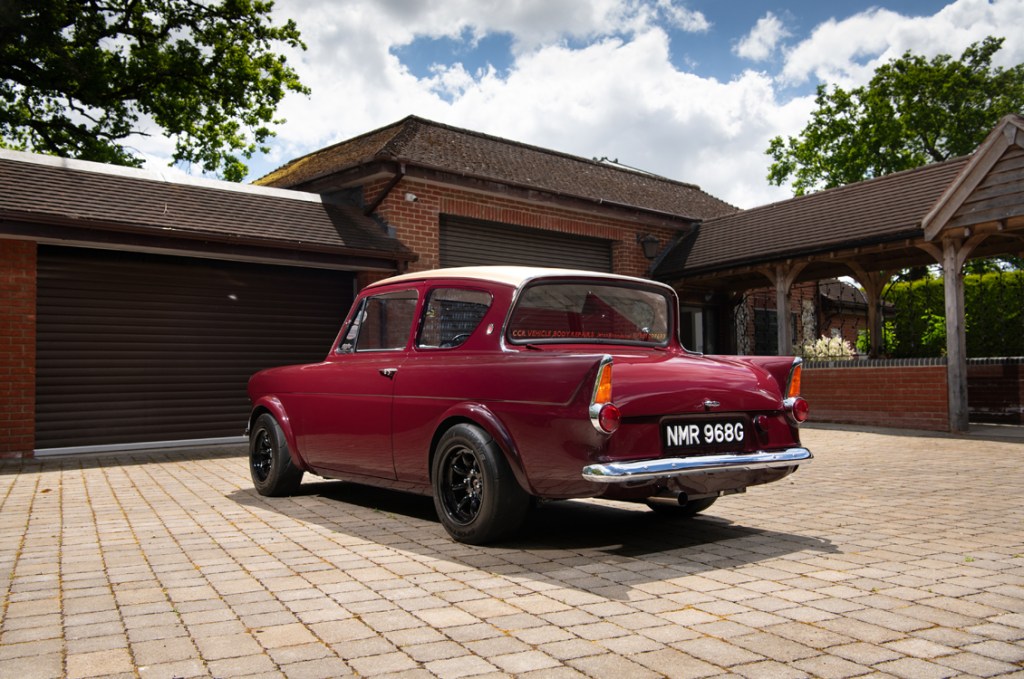
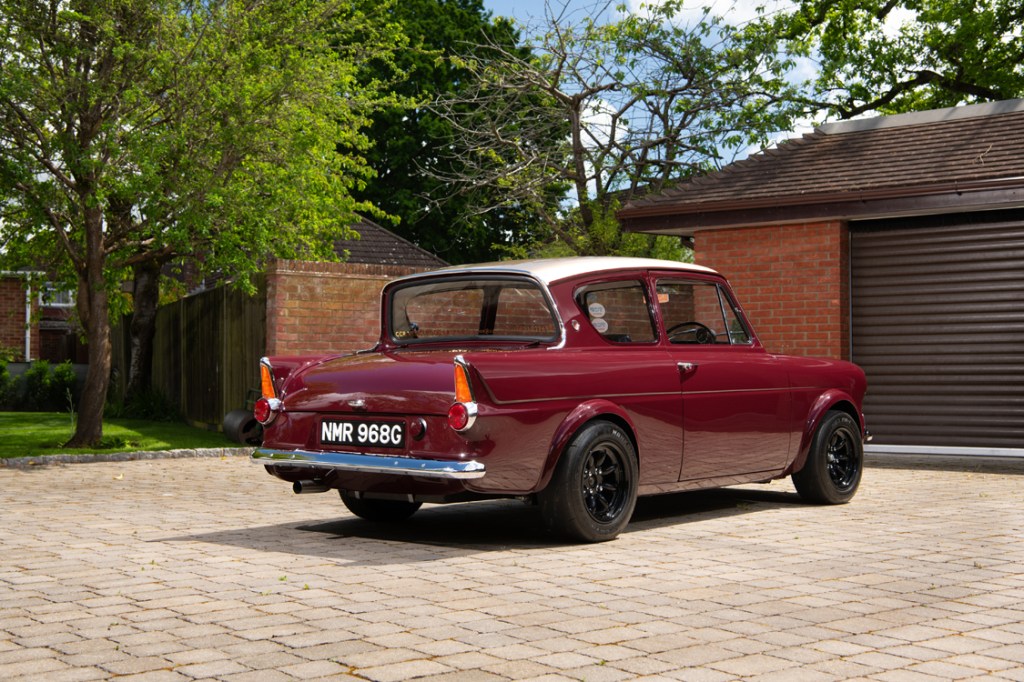
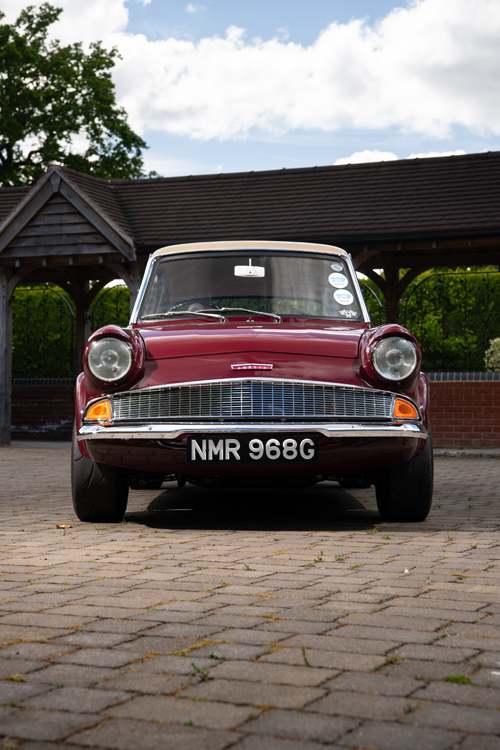
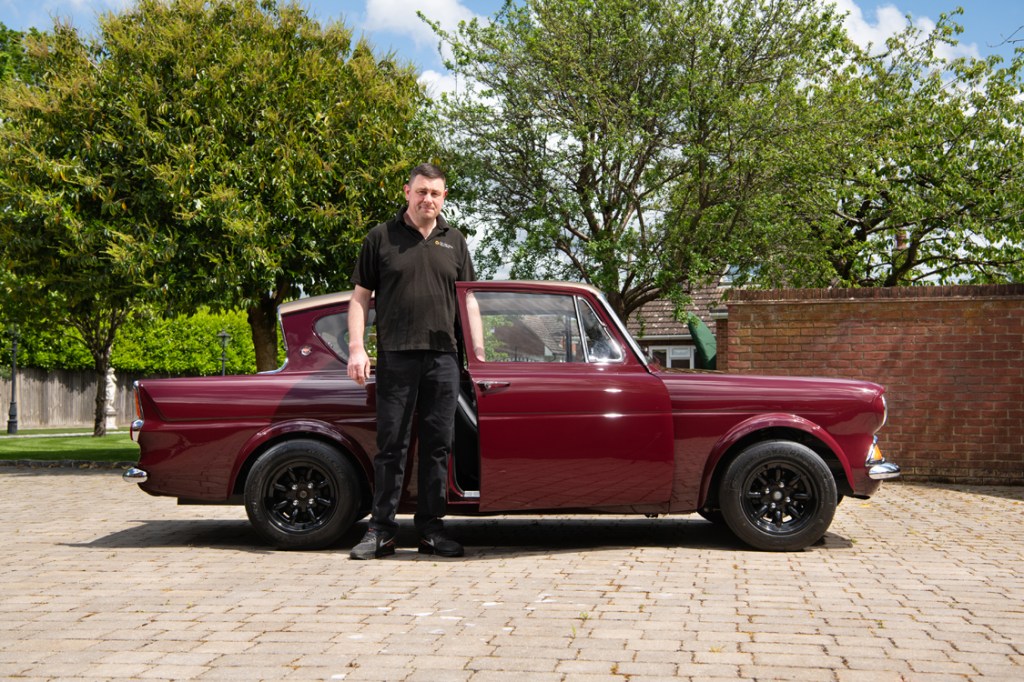
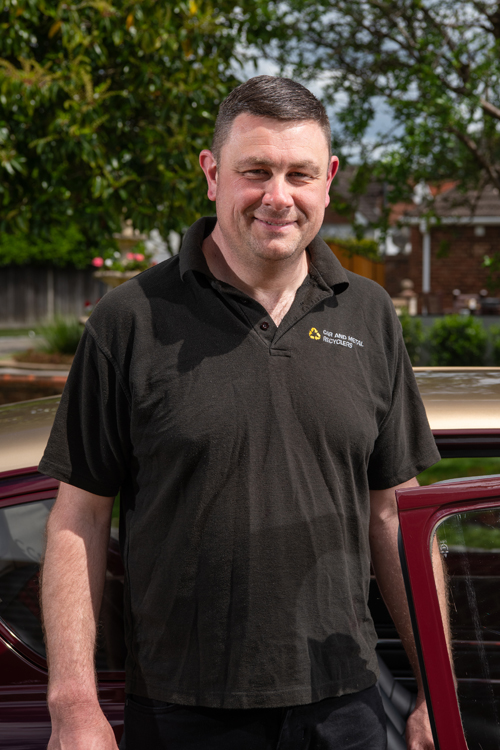
Some builds are planned to the nth degree. Others are supposed to be a bit of fun and then spiral gloriously out of control. Kieran’s Ford Anglia crossflow build definitely falls into the second category. What began life as a spare parts car for another project has become one of the cleanest and most thoughtfully executed modified Anglias we’ve seen in years. Built at home over three years, it combines a lively crossflow engine, Escort-based suspension, subtle body tweaks and a beautifully trimmed interior, all while keeping the charm that makes the Anglia such a classic Ford icon. It’s not just a show car either — it’s been engineered properly, right down to the dry sump setup and bespoke seat mounts. In short, it’s an old Ford done very, very right. And worthy of its spot on our Gtechniq Build Masters list
Meet one of the cleanest modified Ford Anglias around
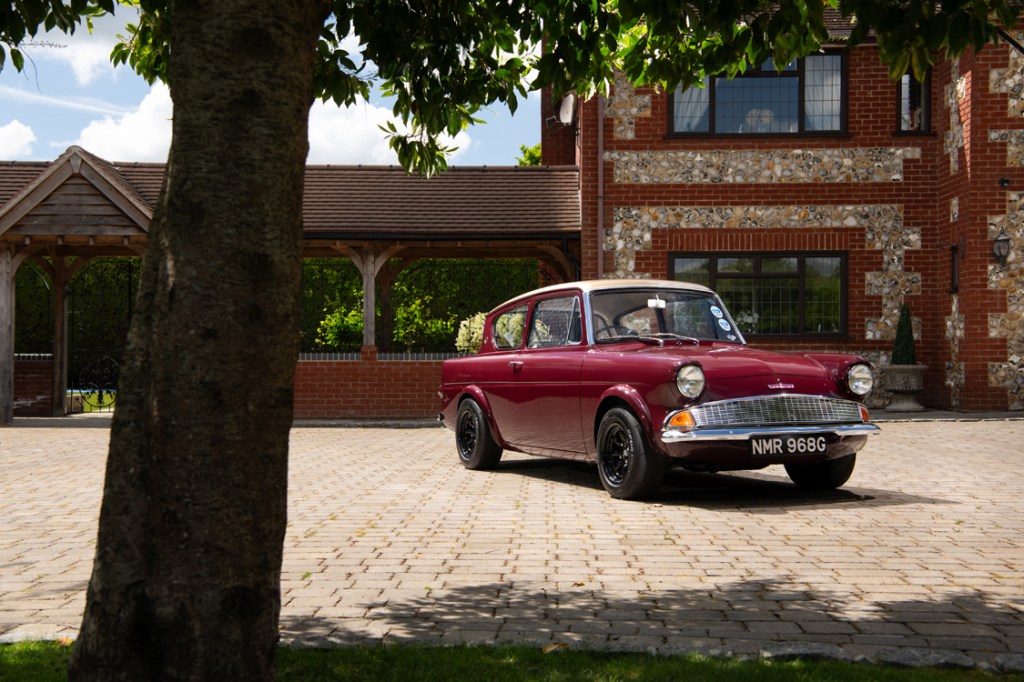
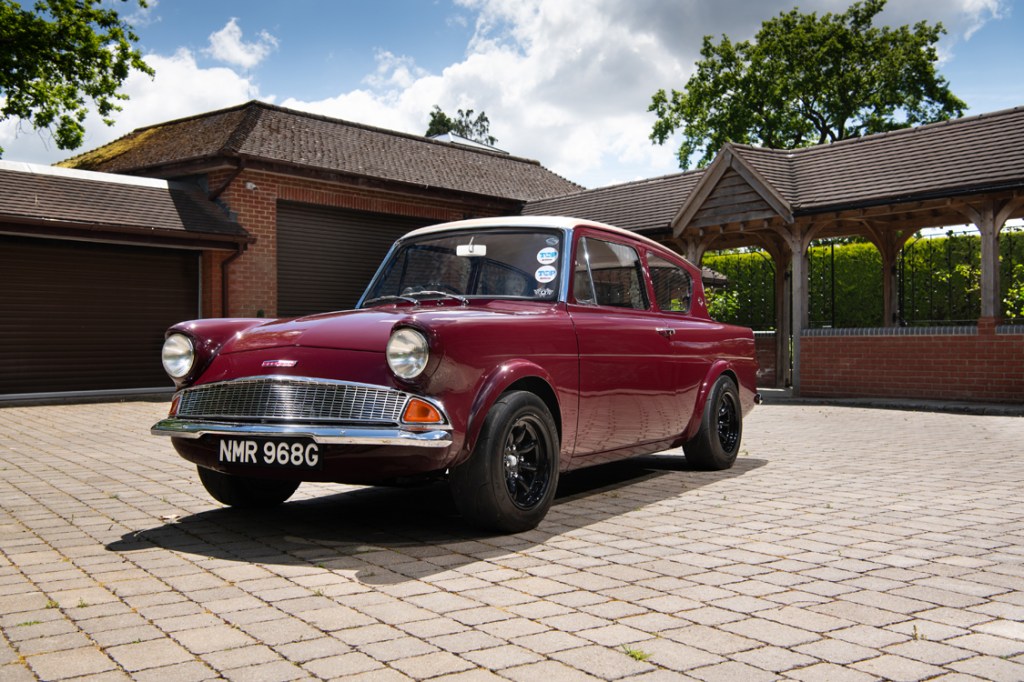
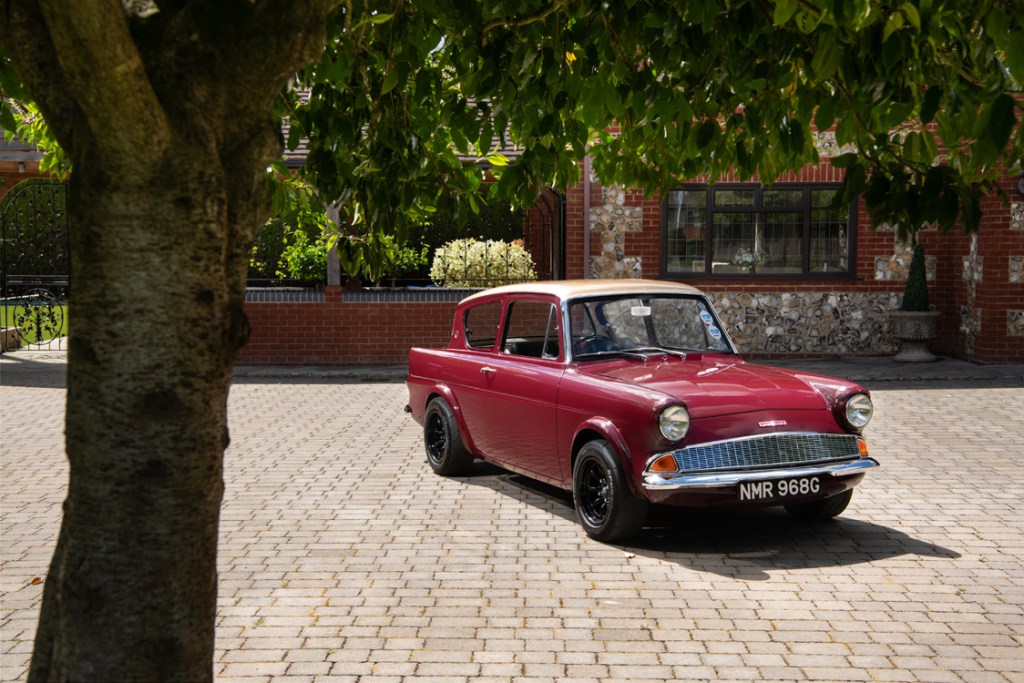
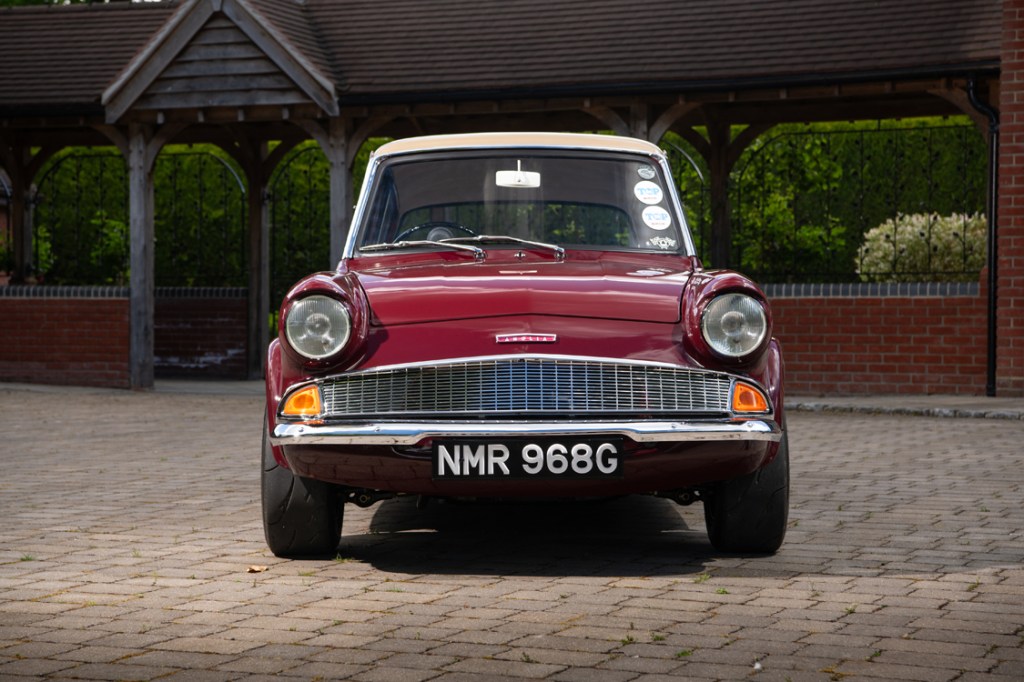
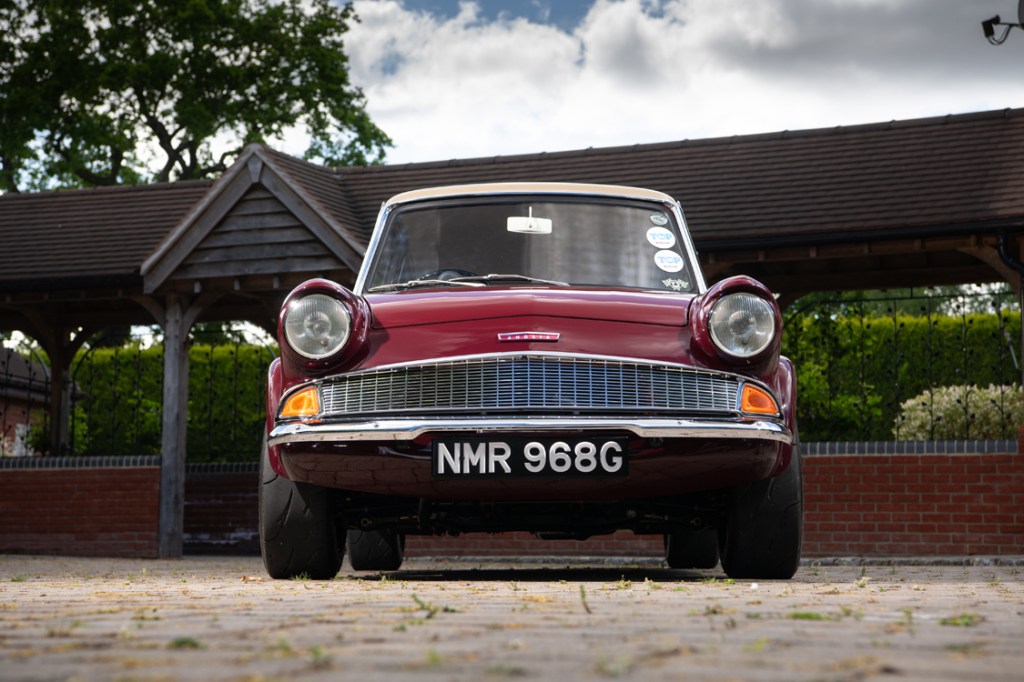
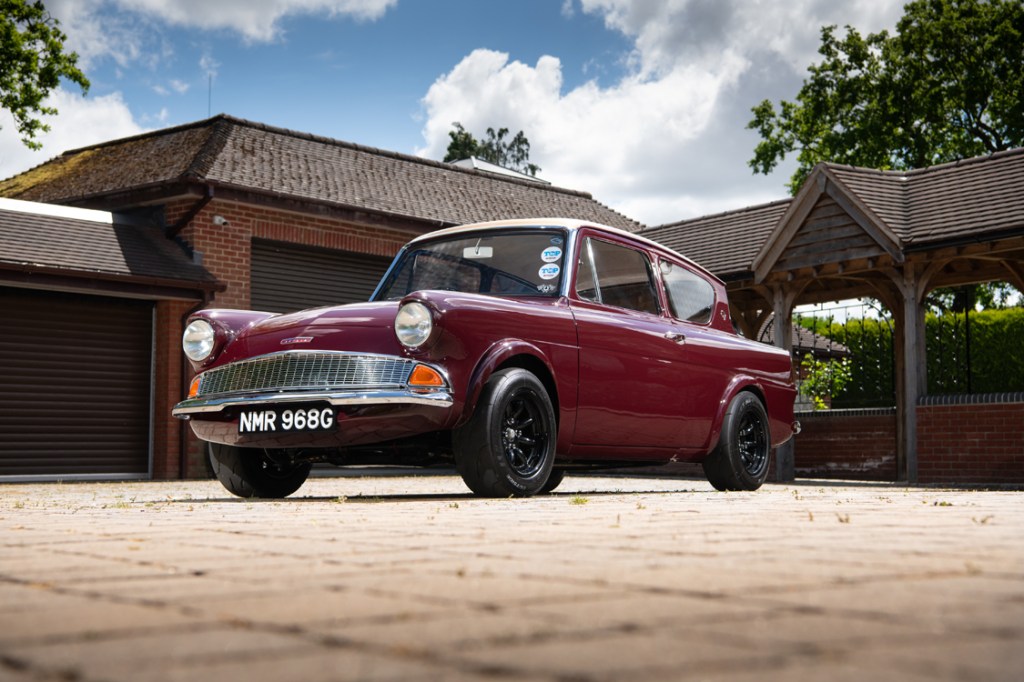
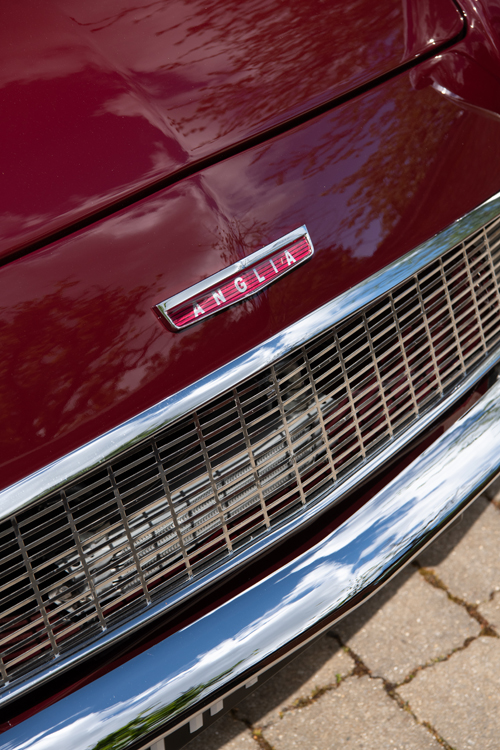
We love a build that sneaks up on you. At first glance, Kieran’s Ford Anglia looks like a beautifully restored classic with a great stance and a tidy period vibe. Then you start noticing the details. The arches aren’t stock. The interior’s been carefully reworked. The chassis is far from standard. And under the bonnet sits a beautifully put-together crossflow setup that turns this little Ford into something far more serious than its modest proportions suggest.
Even better, this wasn’t built as some grand masterplan from the start. Kieran originally bought the car as a spare parts donor for another Anglia project, only for it to take on a life of its own. Three years later, the result is one of the standout modified Ford Anglia builds we’ve seen.
From spare parts car to standout feature build
That origin story is part of the charm. Instead of chasing trends or building a car purely for trophies, Kieran ended up creating something that evolved naturally. It wasn’t even intended to be a show car in the beginning. It was just meant to be a fun build. But like so many of the best projects, it kept growing as the ideas improved and the standards crept higher.
The fact it was all built at home makes it even more impressive. This isn’t a cheque-book restoration with every part outsourced. It’s a properly hands-on garage build shaped by patience, creativity and a strong understanding of what works on an old Ford.
Why the Ford Anglia crossflow swap works so well
A classic Ford upgrade done properly
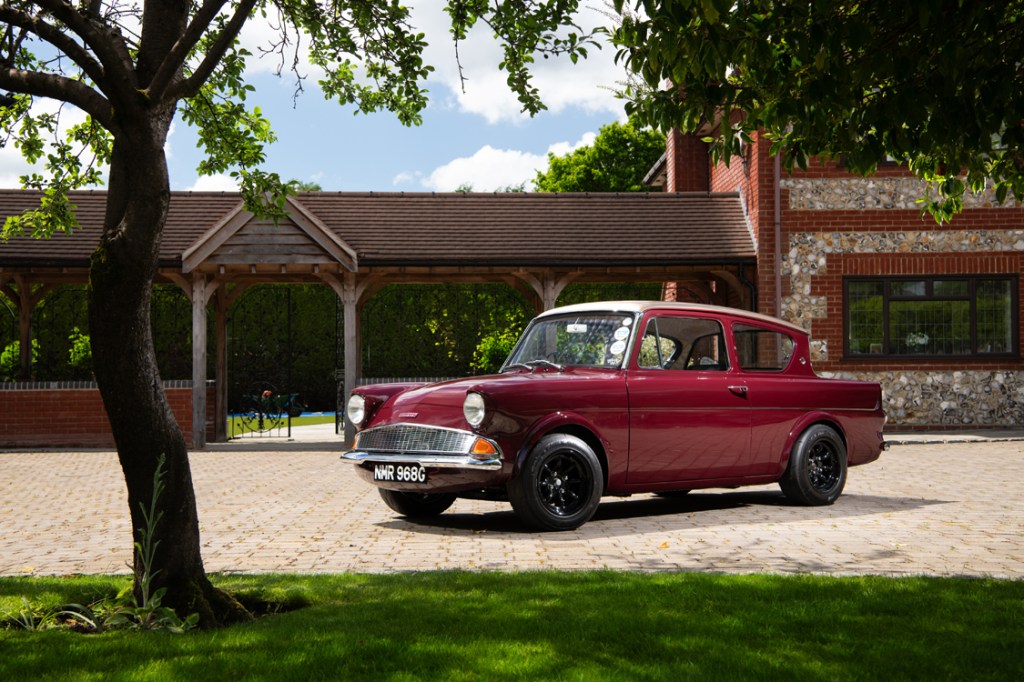
If you know old-school Fords, you’ll know that a Ford Anglia crossflow conversion is about as classic as it gets. It’s one of those upgrades that just makes sense. The later crossflow engine is a natural step on from the original setup, giving you a healthy bump in power while keeping things firmly in the spirit of the car.
That’s exactly what’s happened here. Rather than overcomplicate the formula, Kieran has taken a traditional route and executed it to a very high standard. The result is the kind of build that feels period-correct, but sharpened everywhere.
138bhp in an 808kg shell
Power output sits at 138bhp, which is seriously healthy for a naturally aspirated crossflow without veering into silly-money, undriveable territory. That matters, because there’s no point building a dyno queen if it’s a pain to use on the road.
And road use is where this car sounds genuinely entertaining. With a claimed weight of just 808kg, it’s got the sort of power-to-weight ratio that can embarrass much newer machinery. Kieran even reckons it had enough legs to edge out his wife’s Focus ST225 in a little impromptu test. We’ll leave the exact legality of that one firmly in the realms of folklore, but the point stands — this Anglia isn’t hanging around.
Engine bay details and handcrafted fabrication
Painted bay, period detail and neat packaging
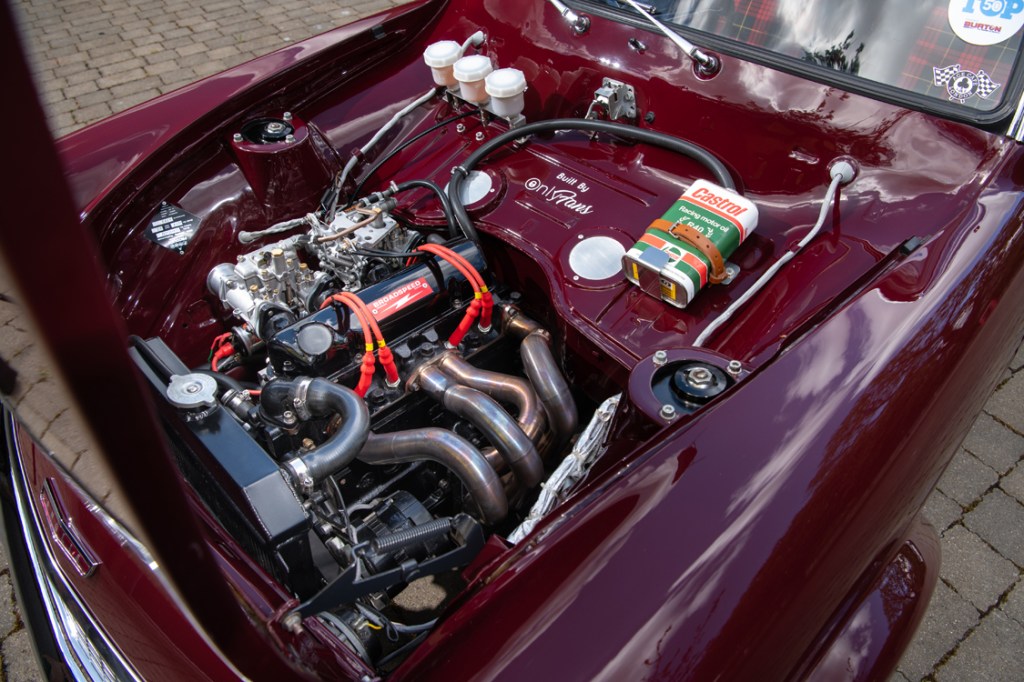
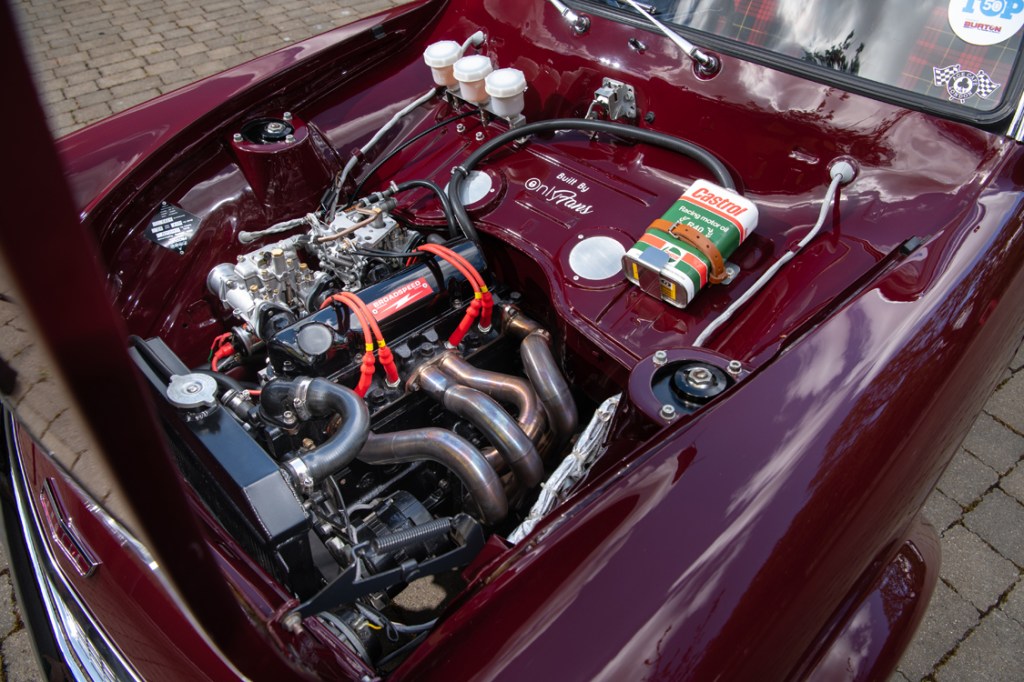
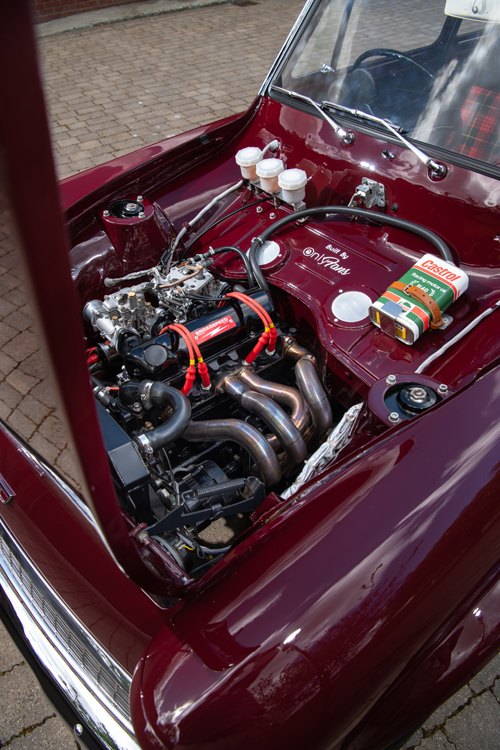
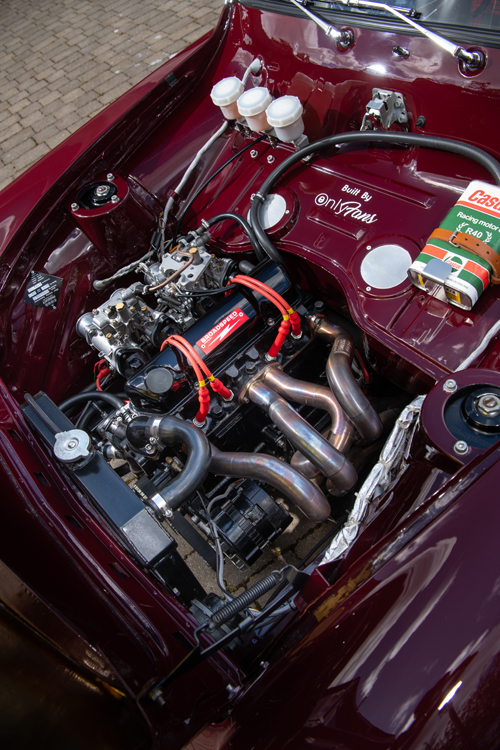
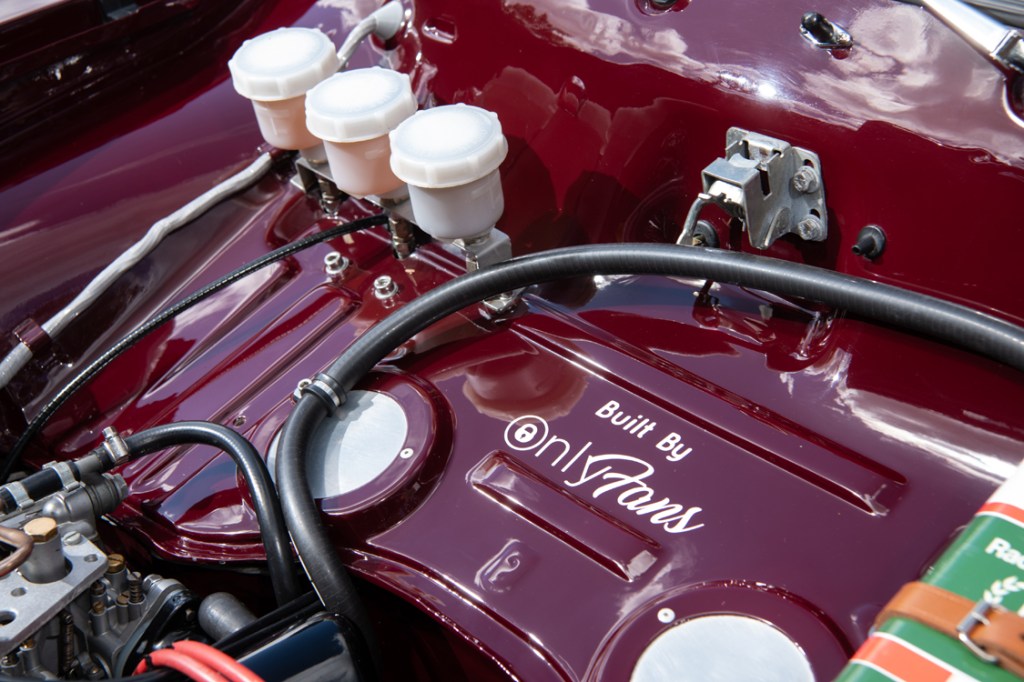
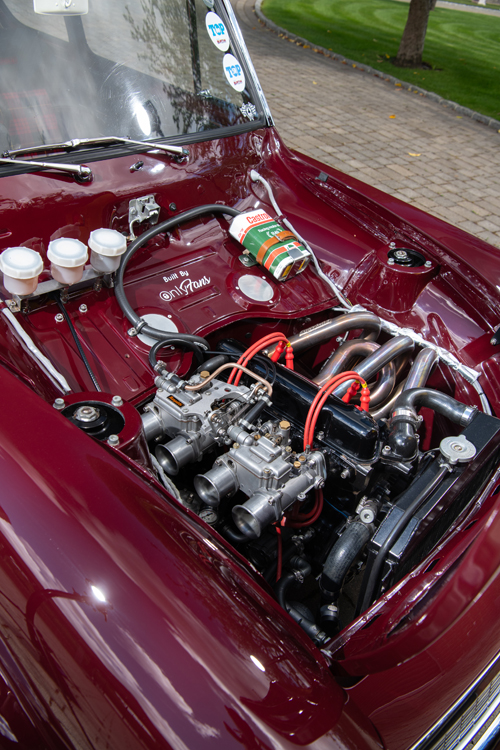
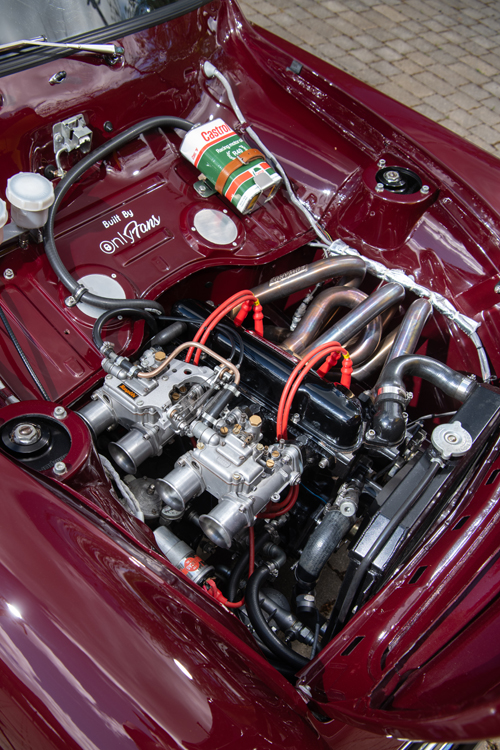
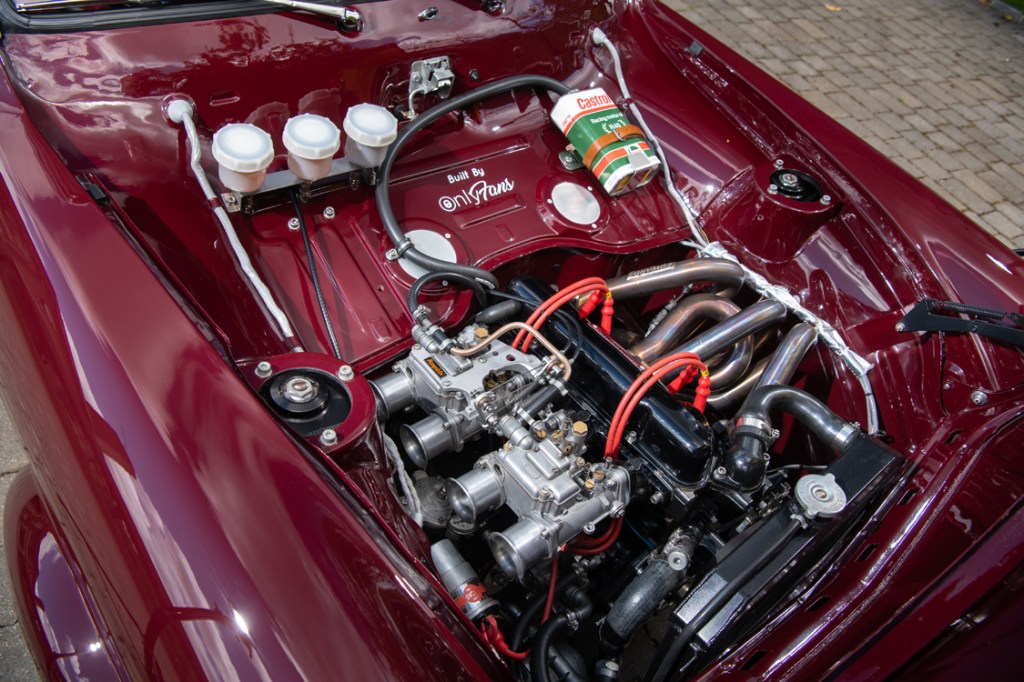
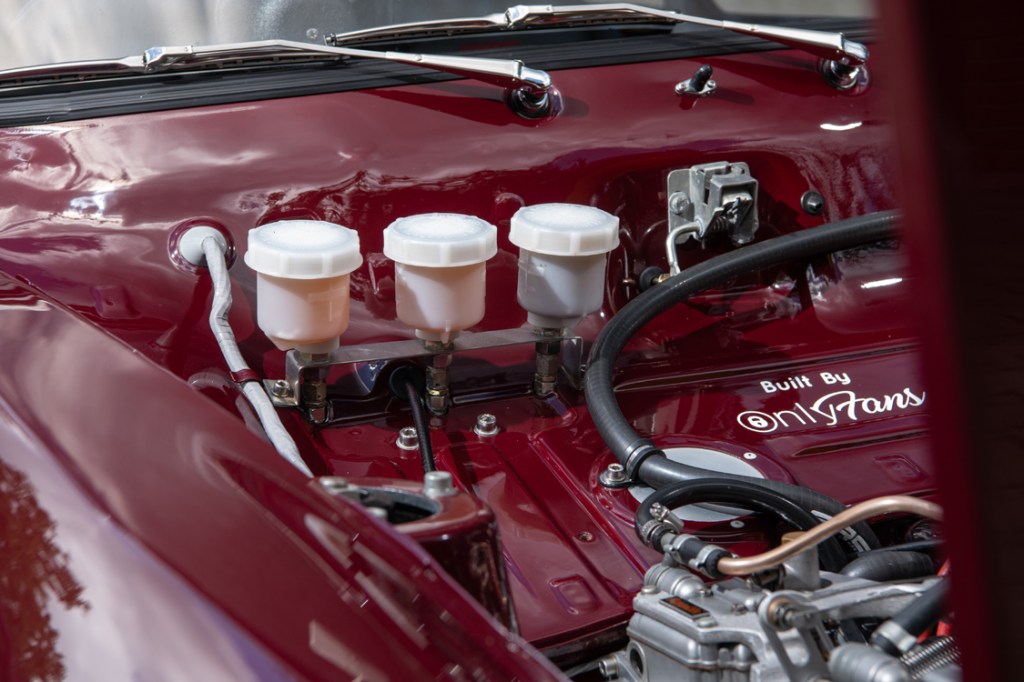
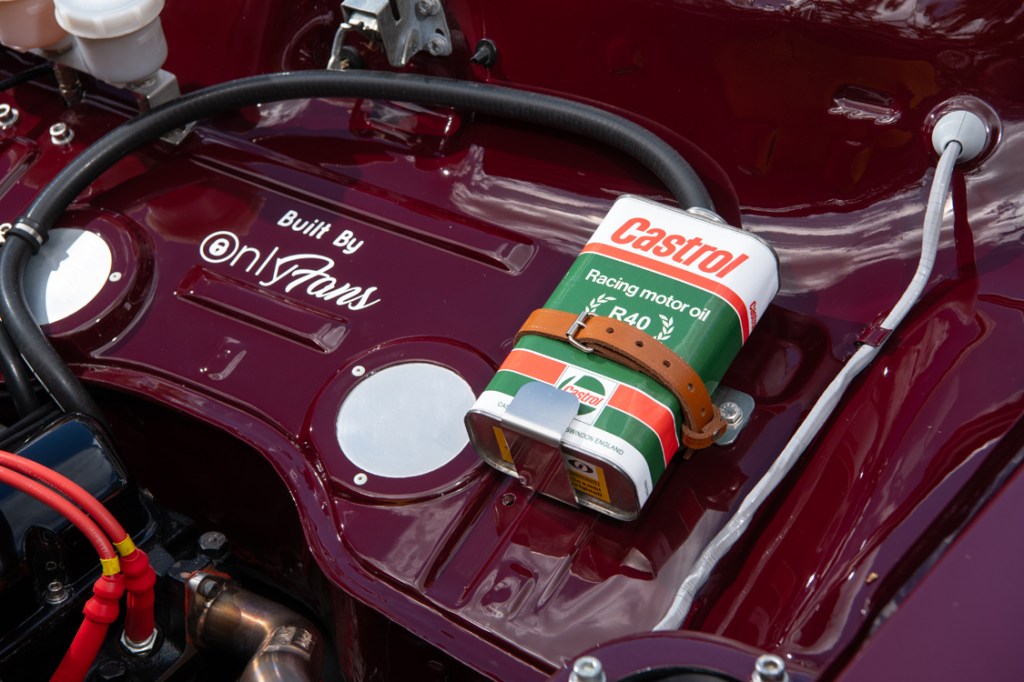
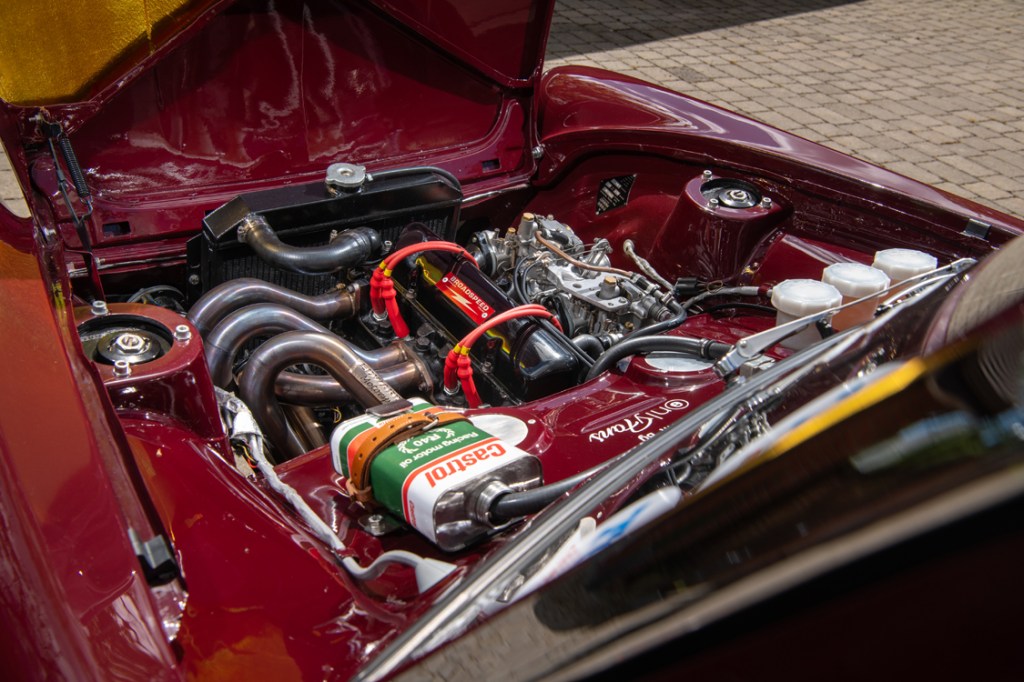
One of the nicest things about this build is that the engine bay hasn’t been over-smoothed into oblivion. It still feels like an old Ford, just a very carefully restored and considered one. The bay has been rubbed down and painted to match the bodywork, keeping everything cohesive and clean without losing the car’s character.
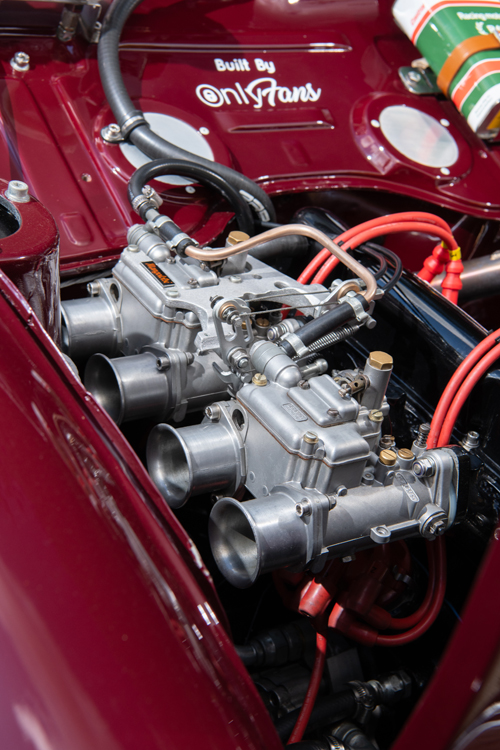
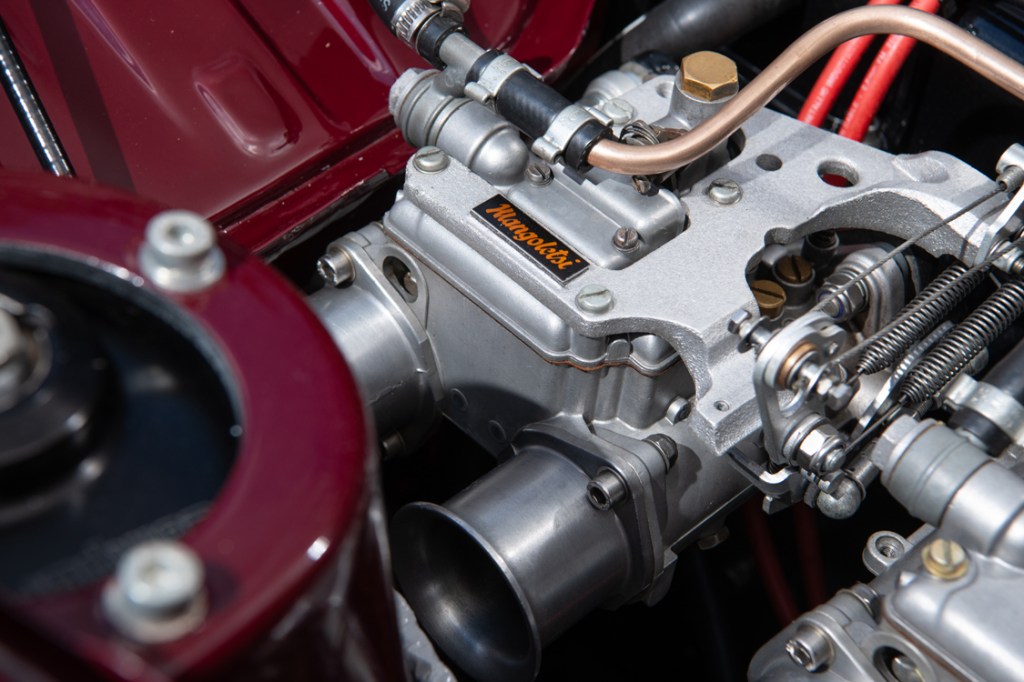
There are also some lovely little touches in there, including the period-style Castrol detail and the use of Dorado carburettors instead of the more obvious Weber route. It all adds up to an engine bay that feels authentic rather than overdone.
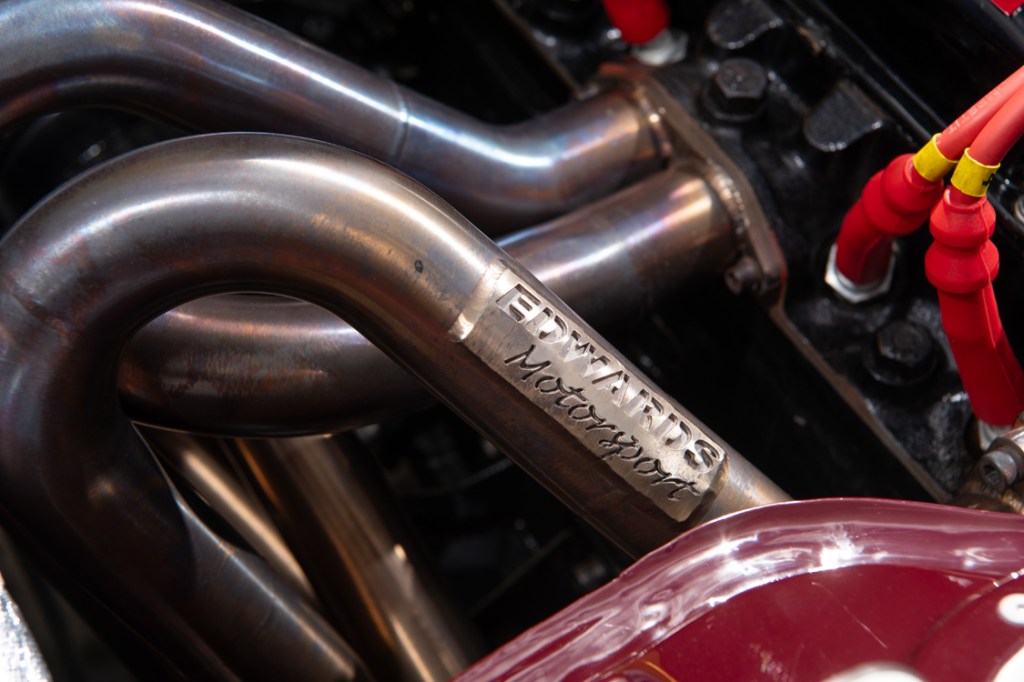
Handbuilt exhaust manifold and dry sump setup
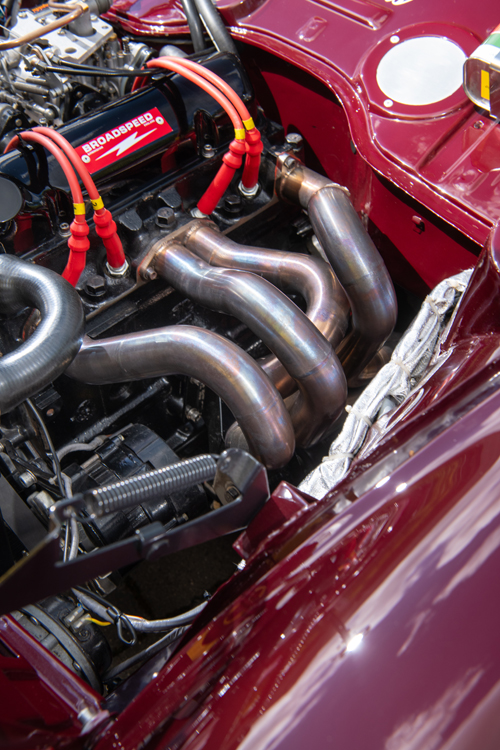
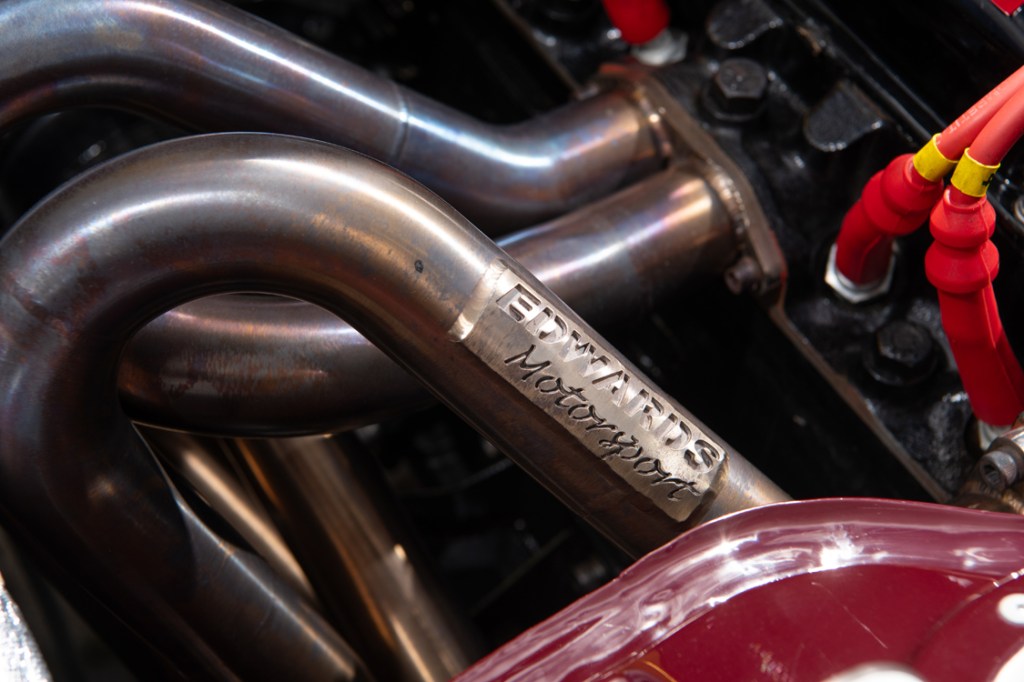
Packaging a crossflow into an Anglia isn’t as straightforward as it might sound. The engine bay is tight, and getting everything to fit while still allowing the engine to breathe properly is a challenge. That makes the handbuilt exhaust manifold one of the cleverest parts of the whole build. It’s not just there for show — it’s a functional solution to a real space problem.
Things get even more serious when you learn the engine has been dry sumped. That was done largely to get the engine sitting as low as possible, which helps keep the centre of gravity down and the suspension geometry where it needs to be. Kieran says there’s only around 15mm of clearance between the sump and the steering rack, which tells you just how tightly everything has been packaged.
That sort of engineering is a world away from a simple engine swap. It’s the kind of detail that turns a nice classic into a genuinely sorted performance build.
Escort-based chassis upgrades transform the drive
Mk2 Escort front suspension conversion
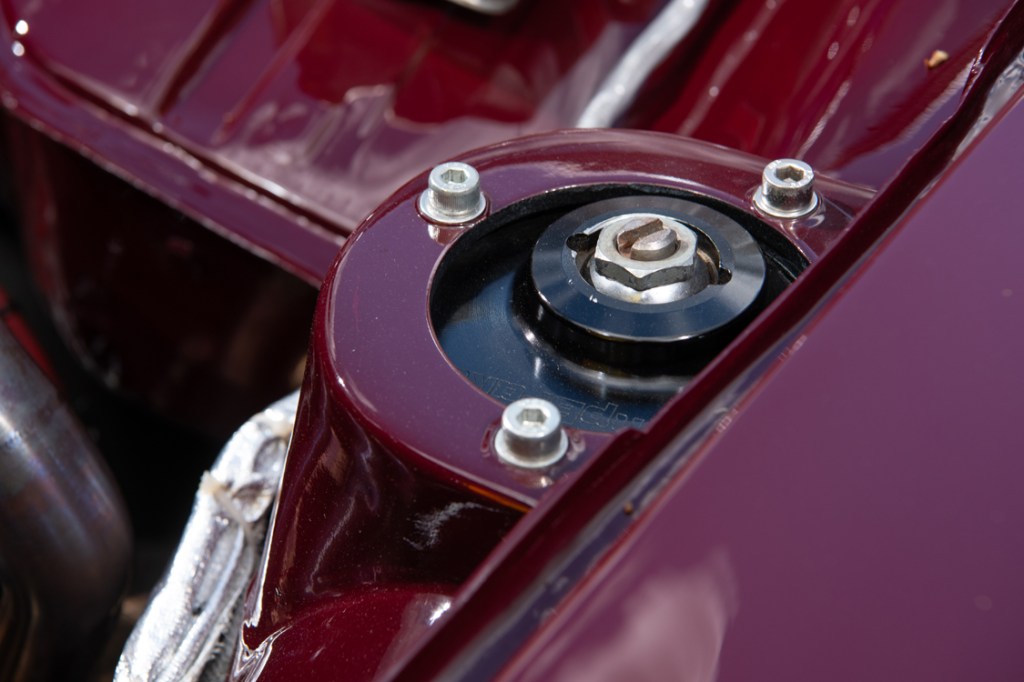
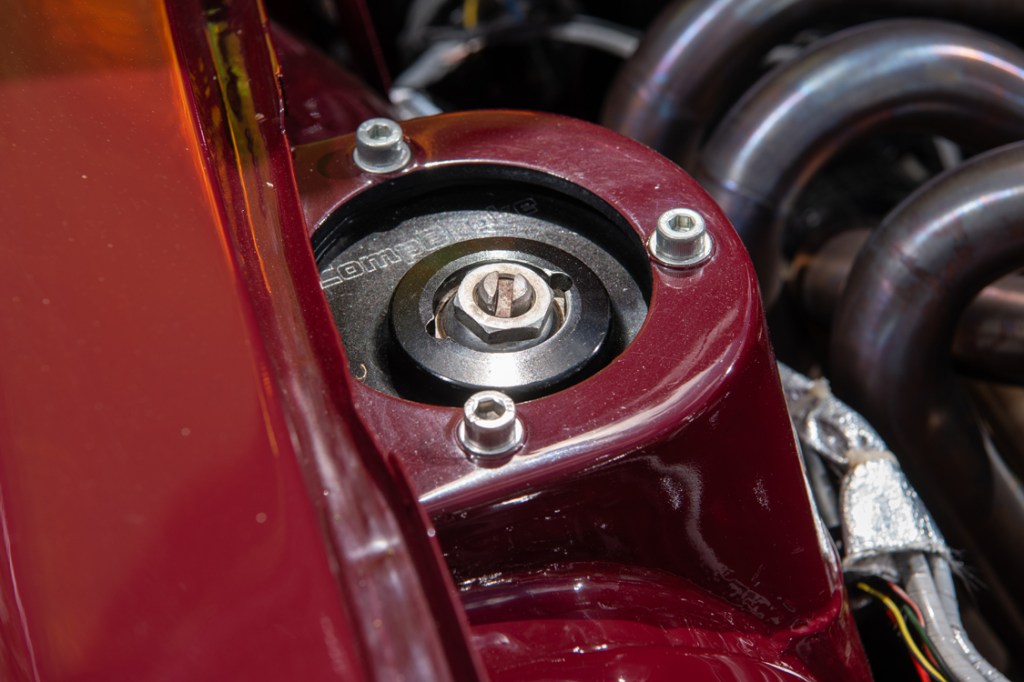
Kieran admits that one of the hardest parts of the build was making everything marry up properly underneath. That’s because the front end now runs Mk2 Escort suspension, bringing with it better geometry options and a far more capable setup than the original Anglia arrangement.
Up front, the car runs Escort Bilstein compression strut coilovers, a quick rack and a World Cup crossmember. That’s serious kit for something this compact, and it helps explain why everyone who sees the car instantly clocks that there’s more going on here than just a tidy body and a sweet engine.
Five-link rear end, Panhard bar and plated LSD
The rear setup is just as impressive. There’s a five-link arrangement, Panhard bar, coilovers, 3J two-piece half-shafts and a Quaife plated LSD. Put simply, it’s built to put the power down properly and stay composed doing it.
The result, according to Kieran, is a car that handles “like a go-kart”. That sounds about right. Light weight, compact dimensions and a well-sorted old-school rear-drive chassis usually equal fun in very large doses. He’s not taken it on track yet, mainly because the car’s a bit too nice and he’d rather not punt it into the scenery, but the setup clearly has the capability.
A custom interior that still feels period-correct
Retrimmed Corbeau GT4 seats and bespoke carpets
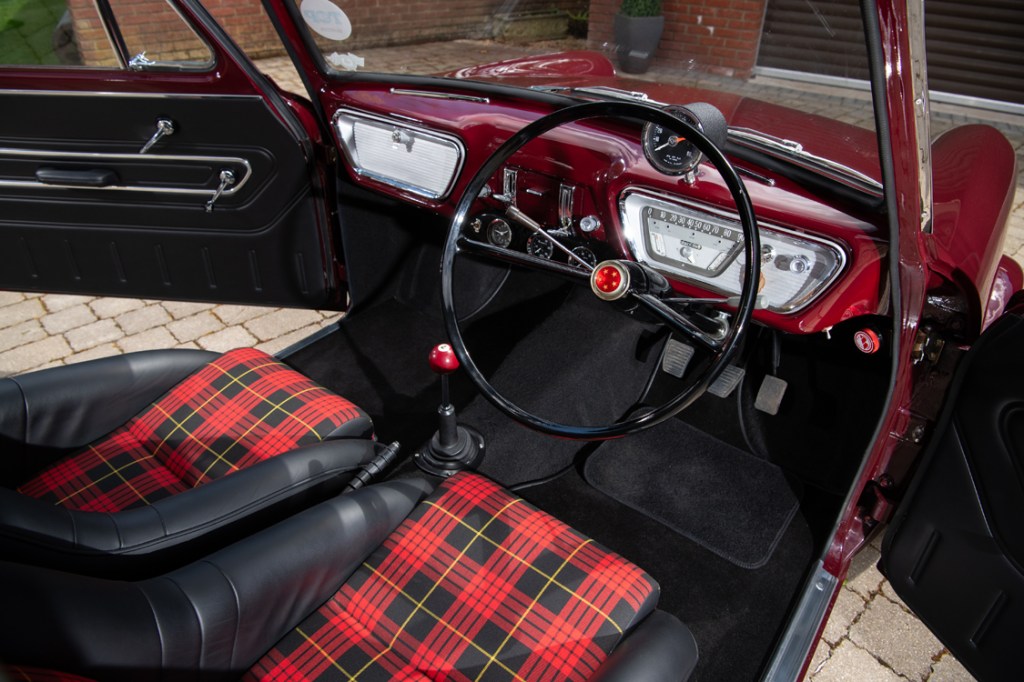
The inside of this Anglia is one of its strongest talking points. Old Ford interiors can be awkward to work with at the best of times, and Anglias are especially tight. You can’t just throw in a modern bucket seat and call it job done. There’s not enough room, the floor shape is awkward, and if you get it wrong it all looks completely out of place.
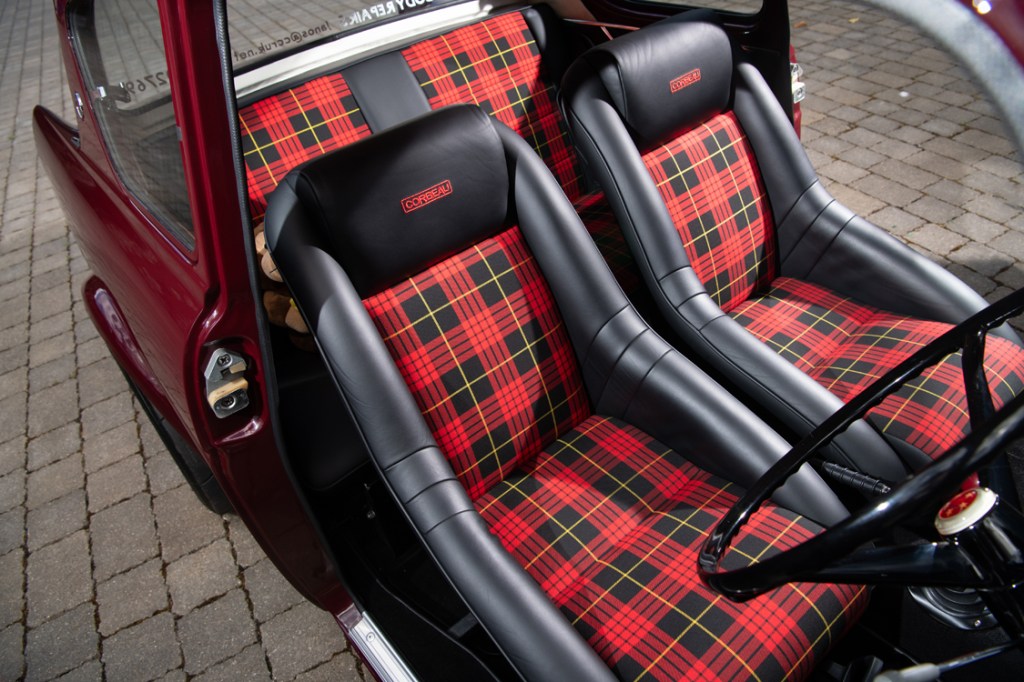
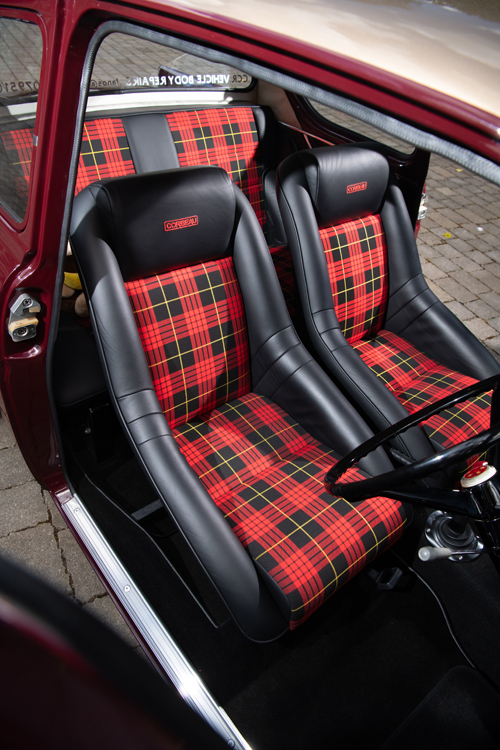
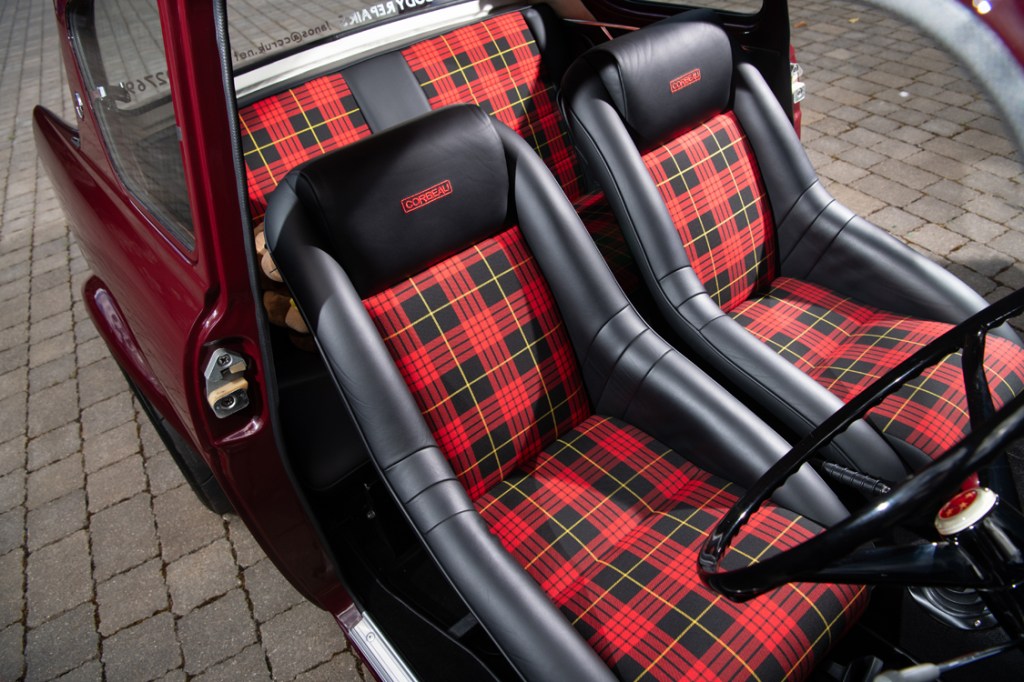
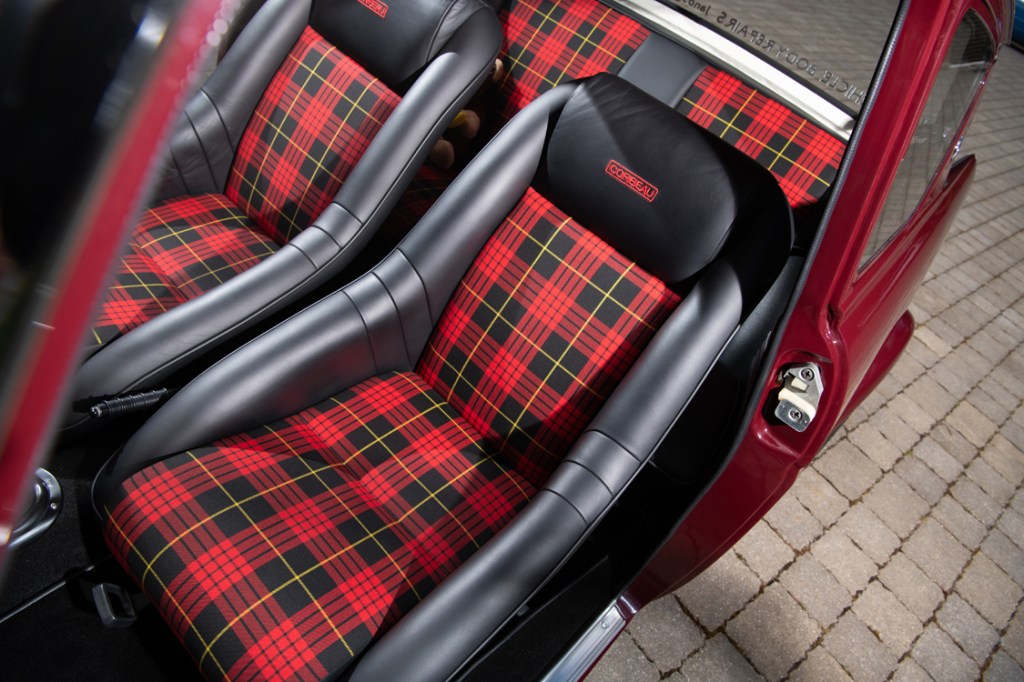
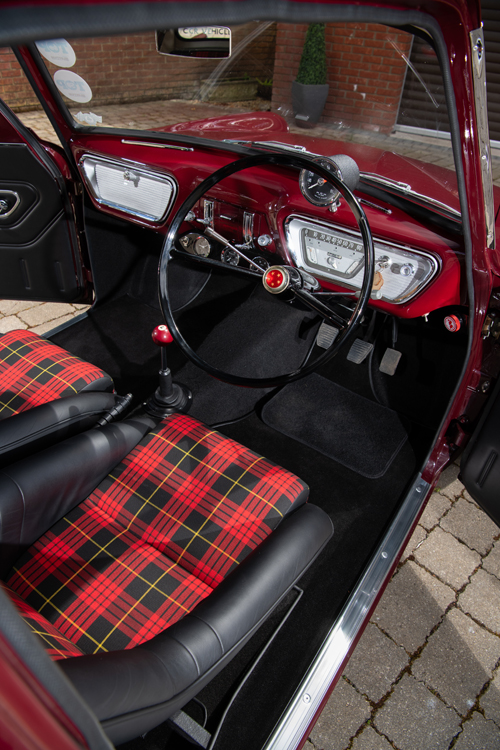
Kieran’s solution was to fit Corbeau GT4 seats, mounted using a custom brace welded from the gearbox tunnel to the sill, while retaining front runner functionality. It’s a clever compromise that improves comfort and support without ruining the cabin.
The carpets were also specially made for the car, templated and trimmed to suit the unusual floor shape. Again, it’s the kind of detail that could be overlooked, but it’s essential if you want the whole thing to feel cohesive.
Tartan trim, restored dash and period gauges
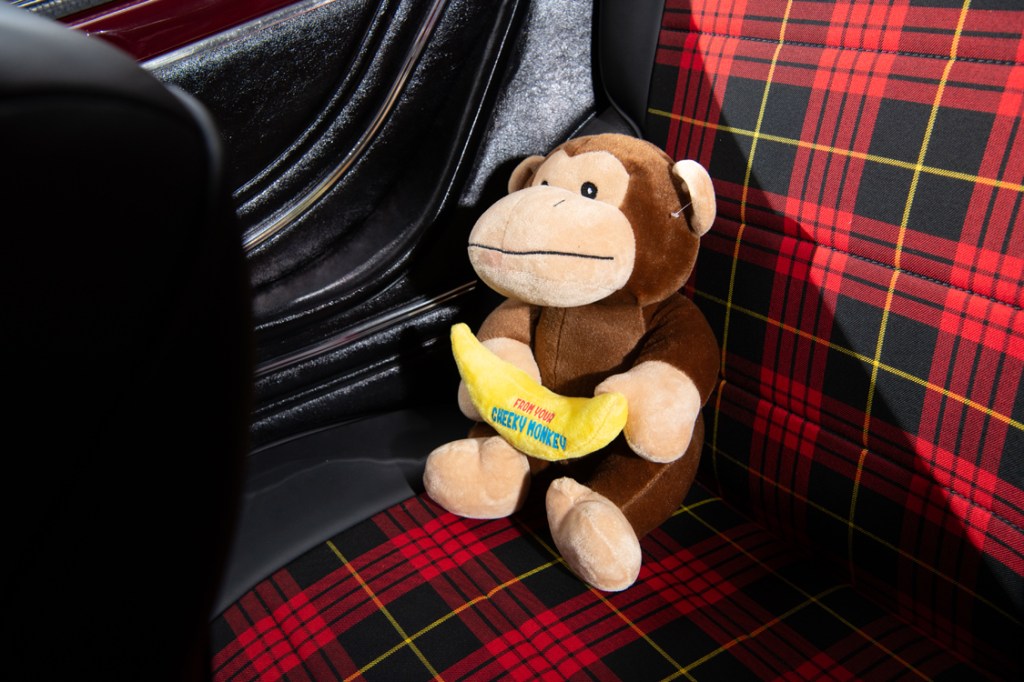
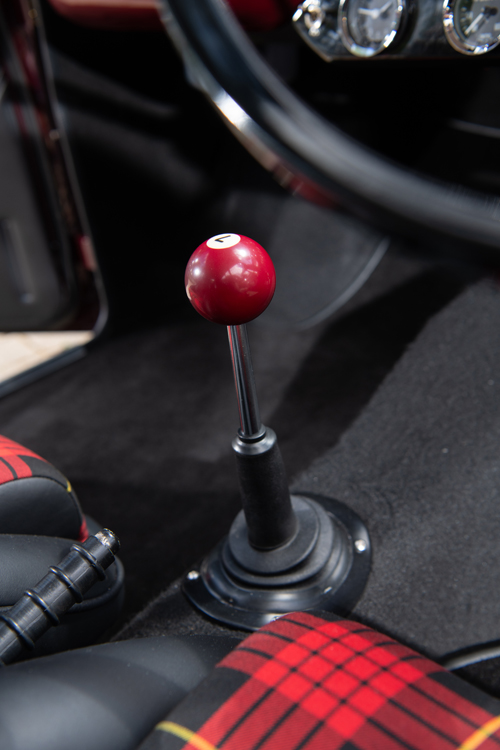
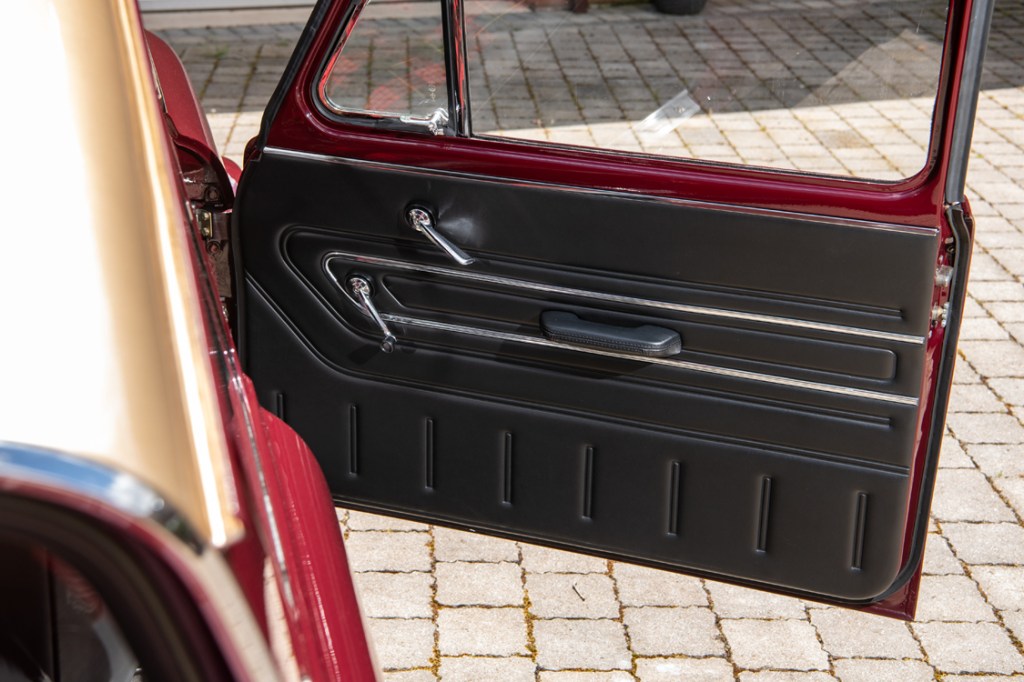
Then there’s the trim itself. Instead of going with a generic retrim, Kieran opted for a red, black and gold tartan theme inspired by period-style upholstery and influenced by a set of Porsche seats a friend was working on. It sounds like it could have gone horribly wrong, but it absolutely works.
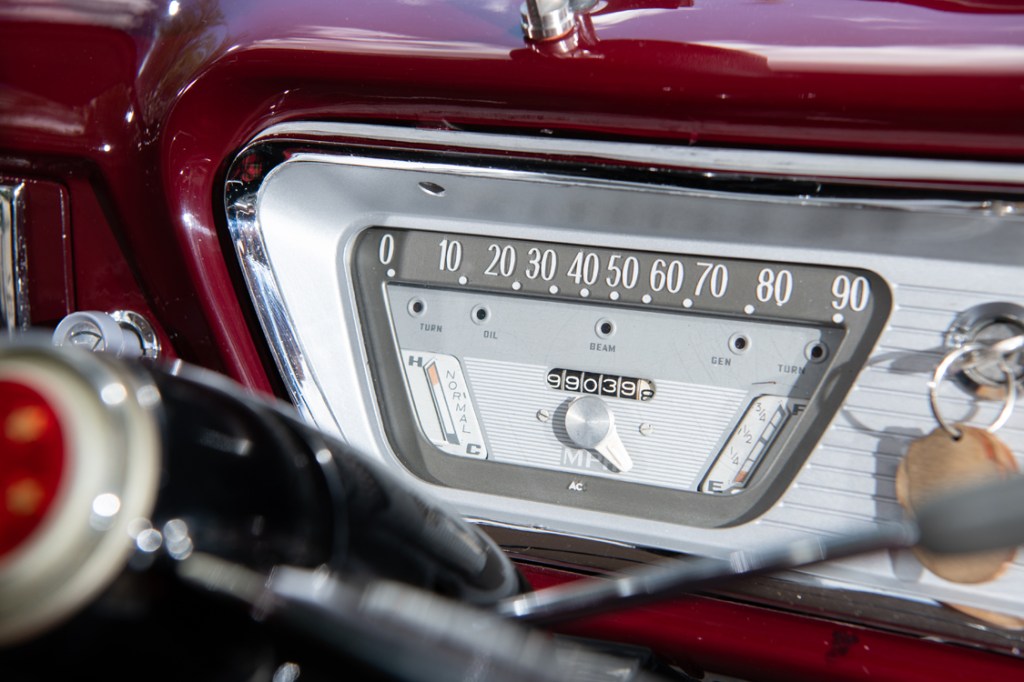
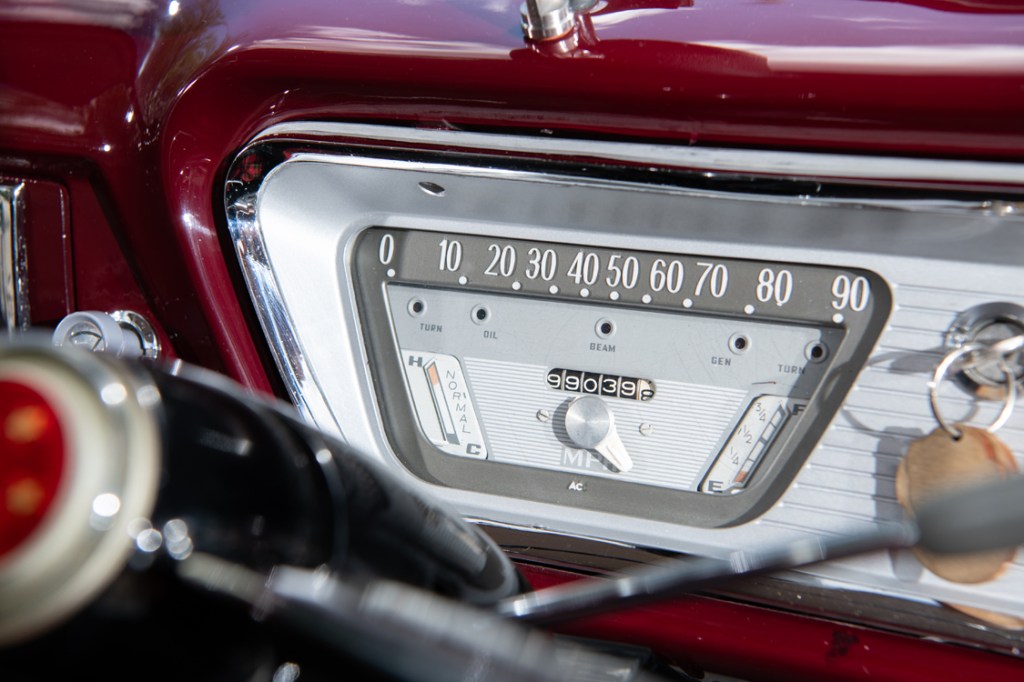
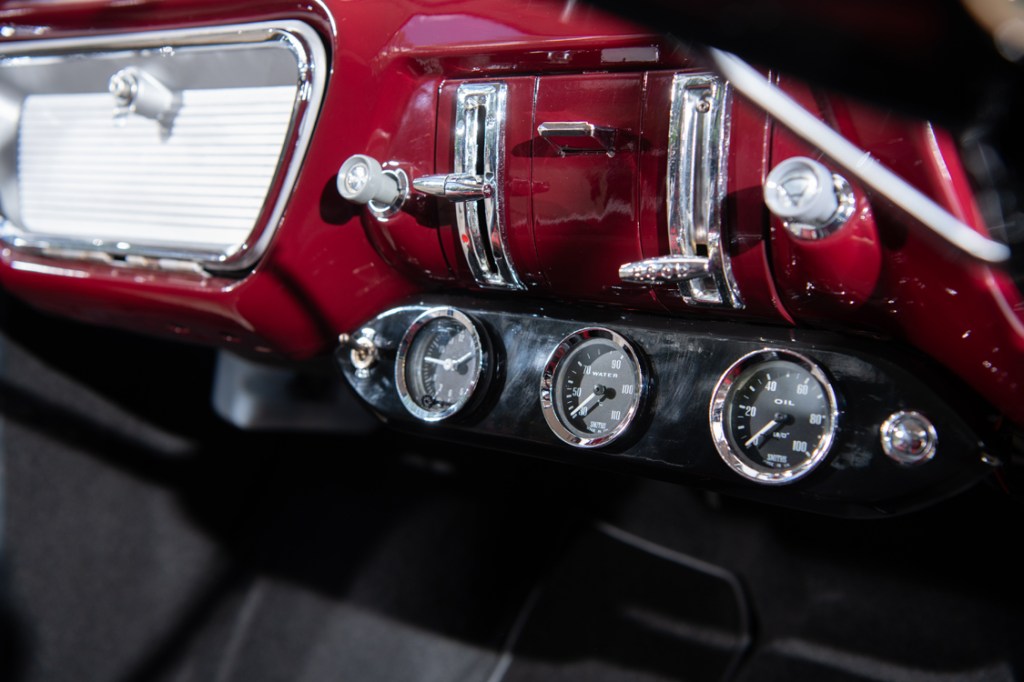
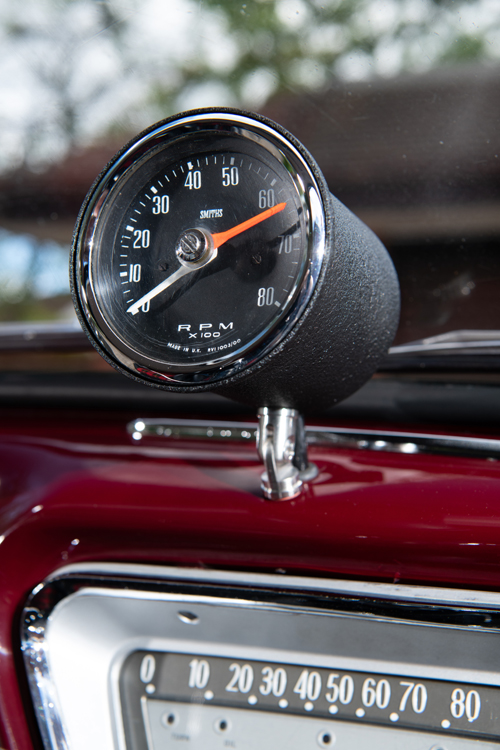
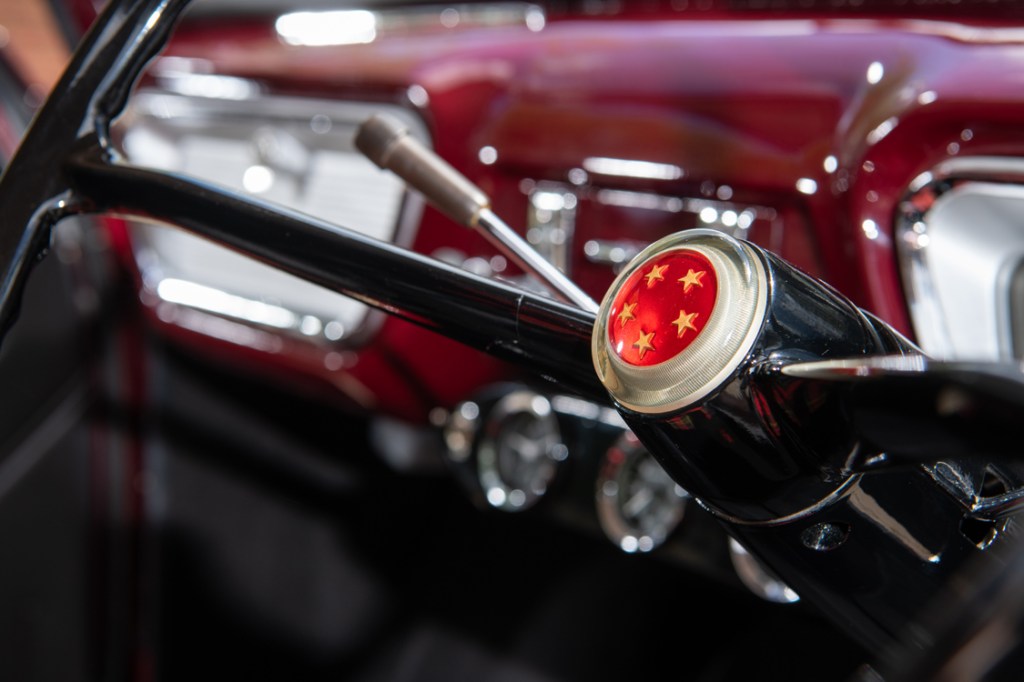
The tartan ties in beautifully with the exterior colours, giving the interior its own identity without clashing with the car’s age or character. The dash has been repainted, the chrome refreshed, and the cabin retains useful period-style details like the original steering wheel and additional lower gauges for oil temperature, water temperature and a clock.
It’s a great example of how to update a classic interior without stripping all the soul out of it.
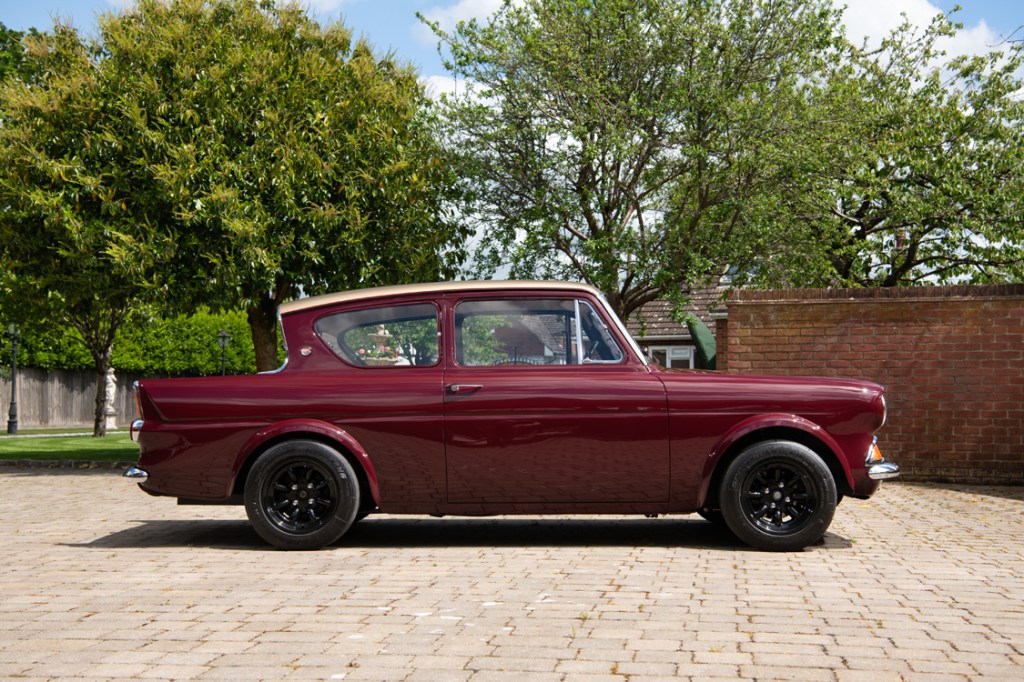
Imperial Maroon paint and subtle styling changes
A factory-inspired colour combo that stands out
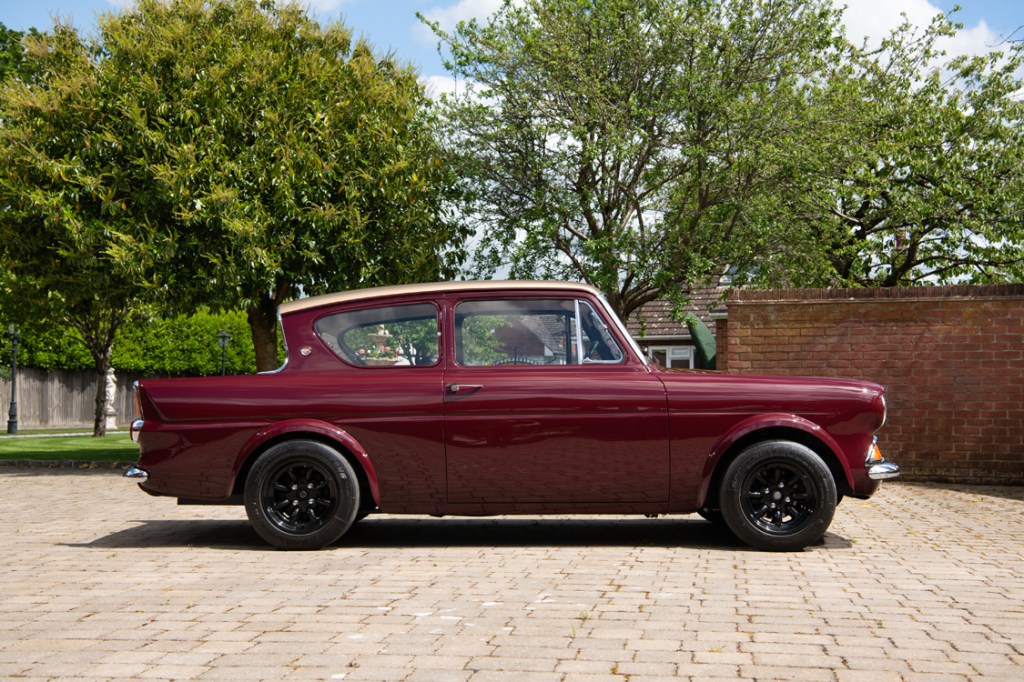
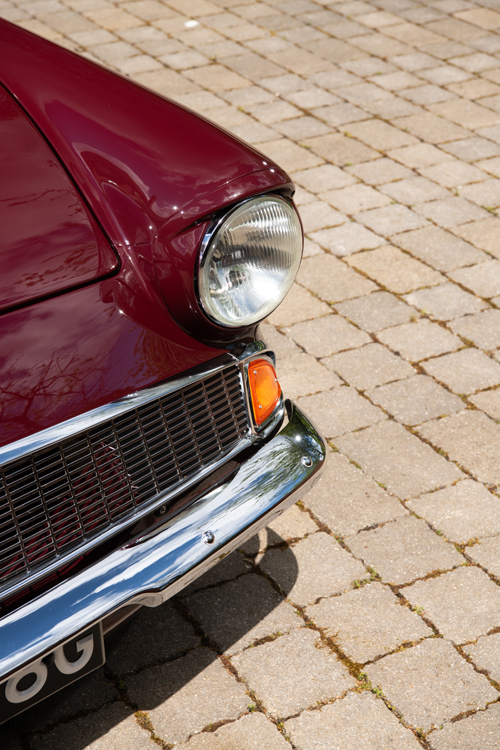
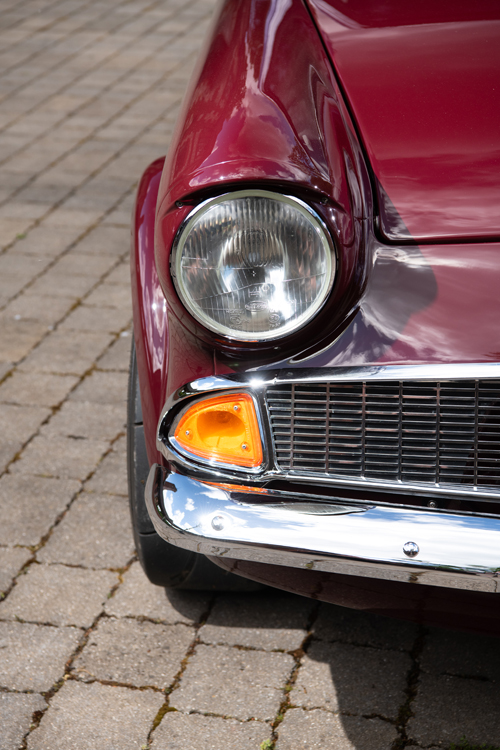
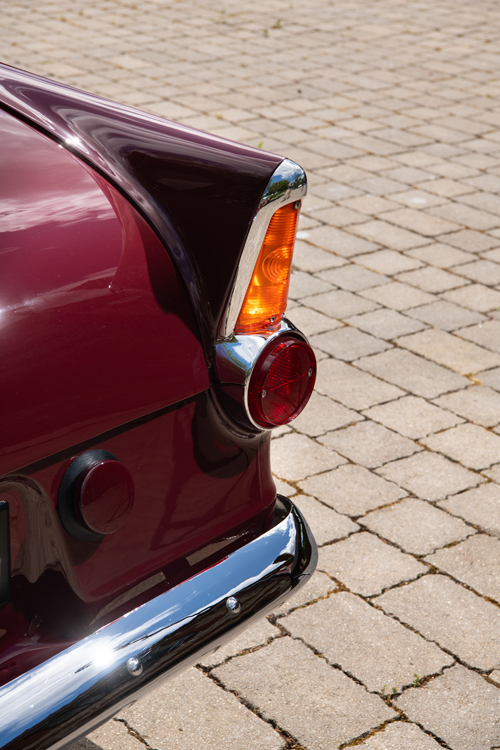
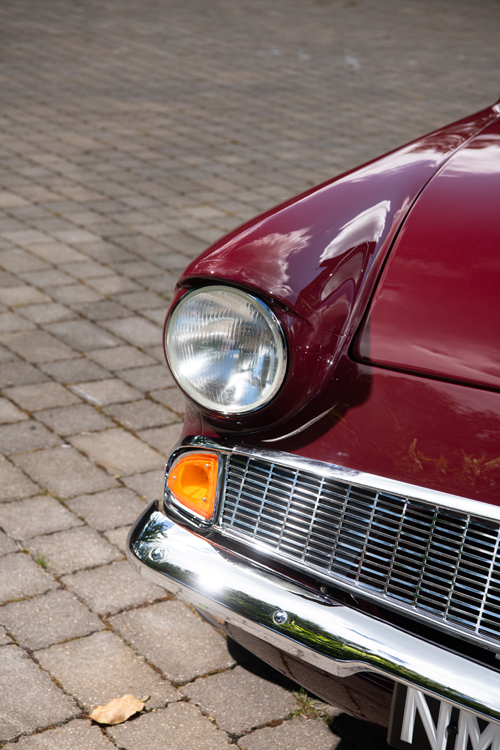
The paint is another big reason this car works so well. The main body colour is Imperial Maroon, a very period-correct shade that suits the Anglia’s shape perfectly. It’s classic early Ford, but you rarely see it looking this sharp now.
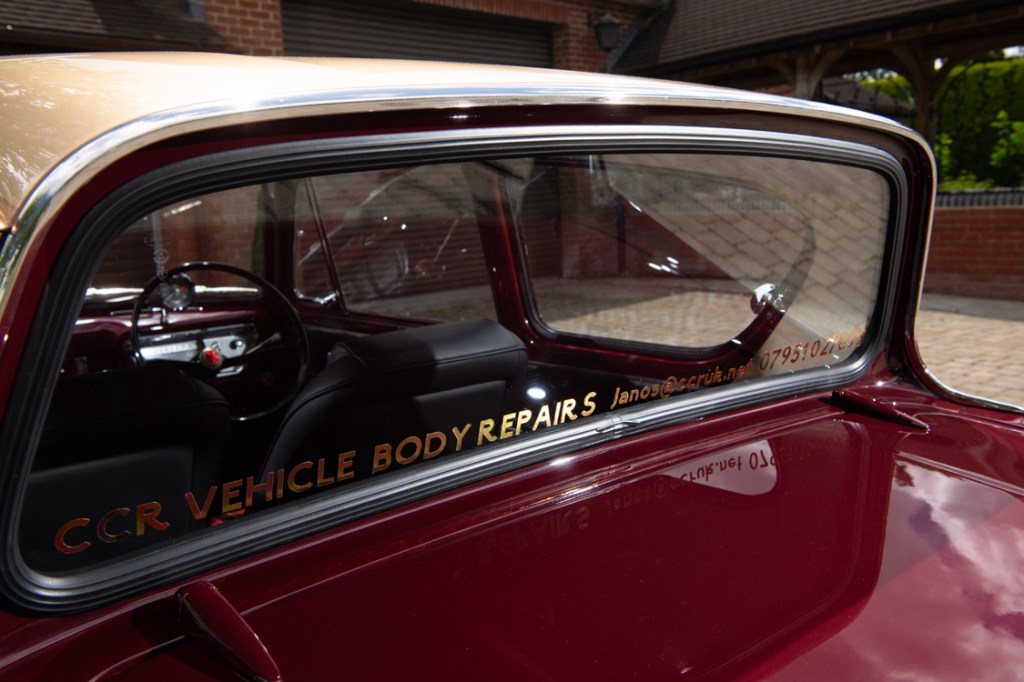
The roof has been painted in Aztec Gold, borrowed from the palette of the Mk2 Cortina 1600E. Maroon and gold is a combination that could easily go a bit pub carpet if handled badly, but here it looks spot-on. Rich, warm, slightly unusual, and full of old-school charm.
Trailer arches, done properly
At first glance the arches look like they could be factory. They’re not. Kieran made them from a pair of steel trailer arches, cut them in half and welded them into the body. That alone is a great old-school hot-rodding trick, but the real effort is in how they’ve been blended.
Rather than leaving them as a constant-width flare, they’ve been tapered and shaped so they flow into the body much more naturally. That takes a lot more work, but it’s what makes them look right. It’s one of those subtle details that many people won’t consciously notice, but it’s a huge part of why the car looks so resolved.
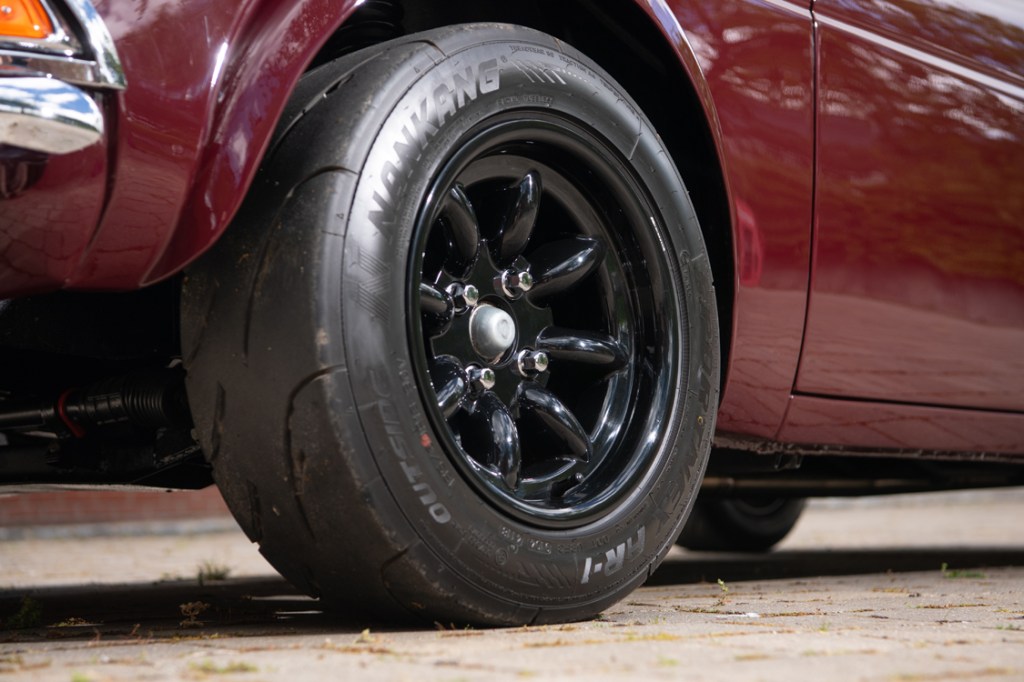
Wheels, tyres and the details that complete the build
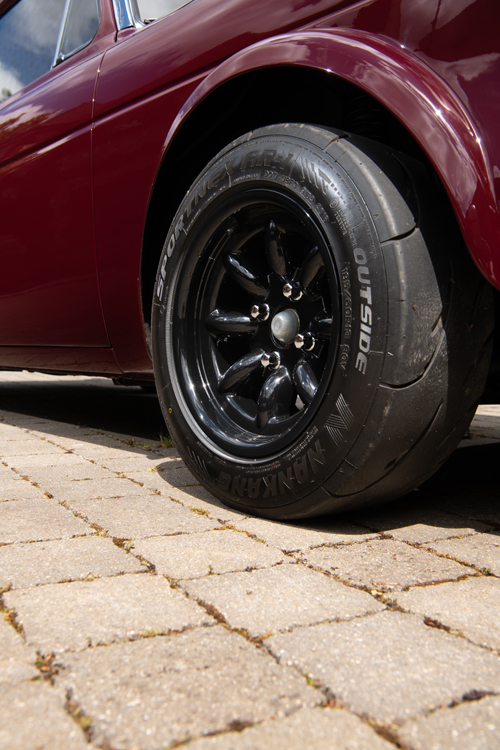
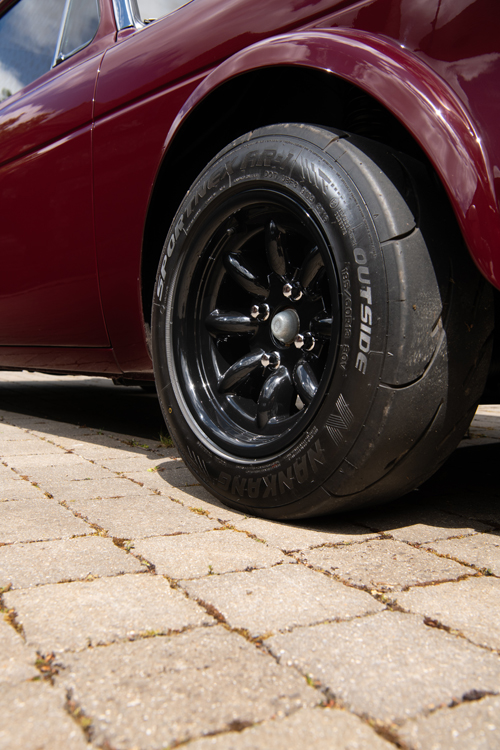
JBW wheels and Nankang tyres
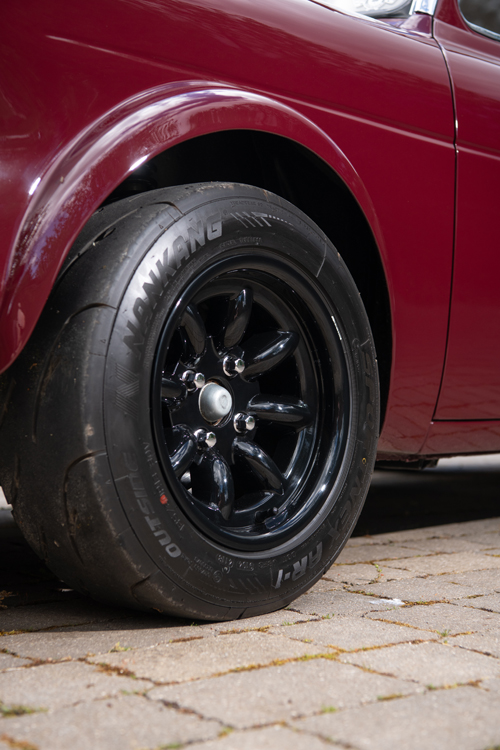
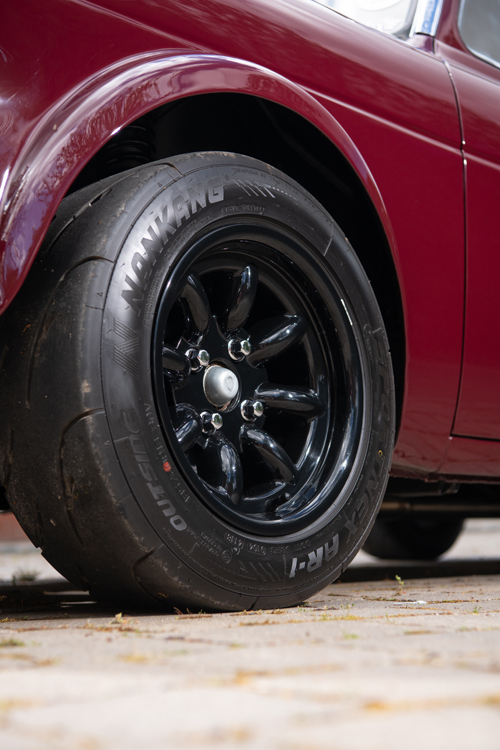
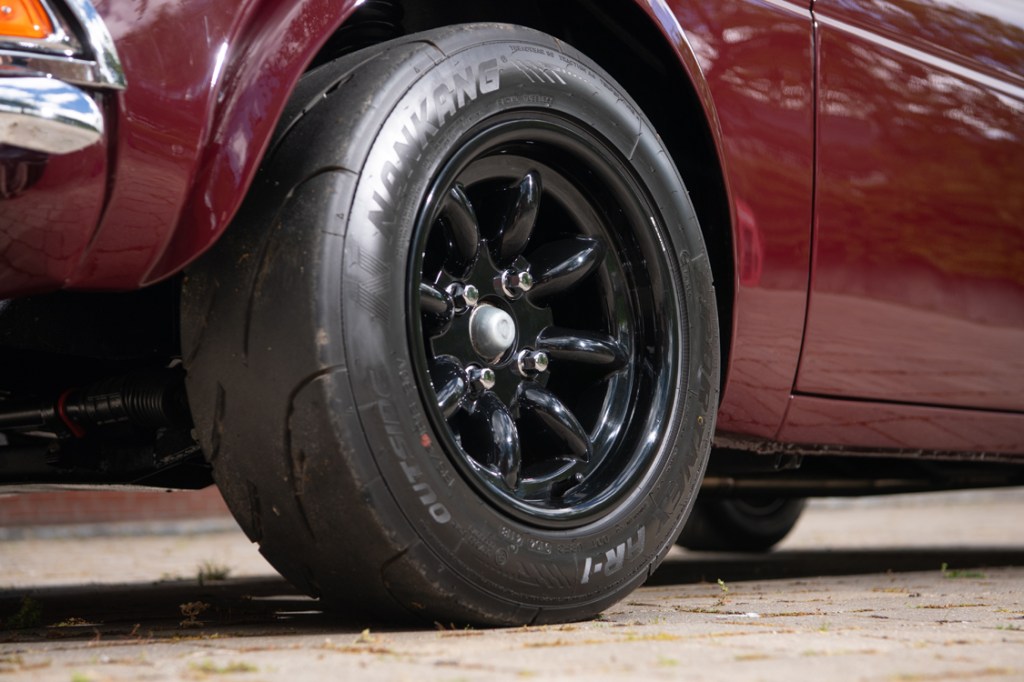
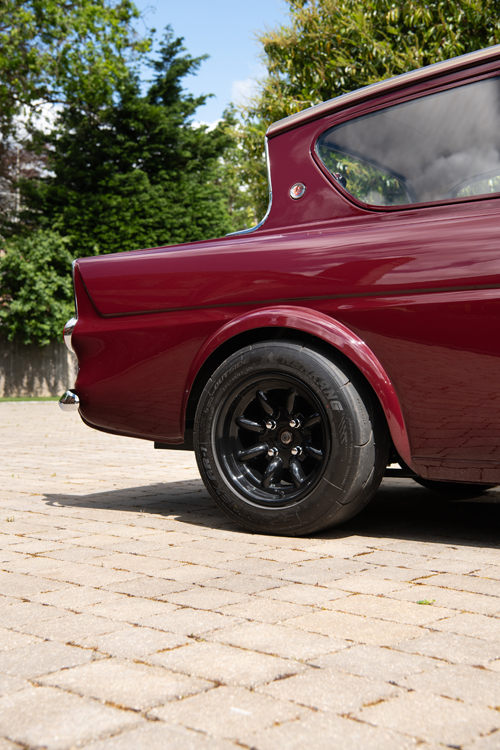
The current wheels are JBW items styled along the lines of classic Two Gates wheels. They suit the car brilliantly, with that chunky old-school spoke design that seems to work on just about any classic Ford.
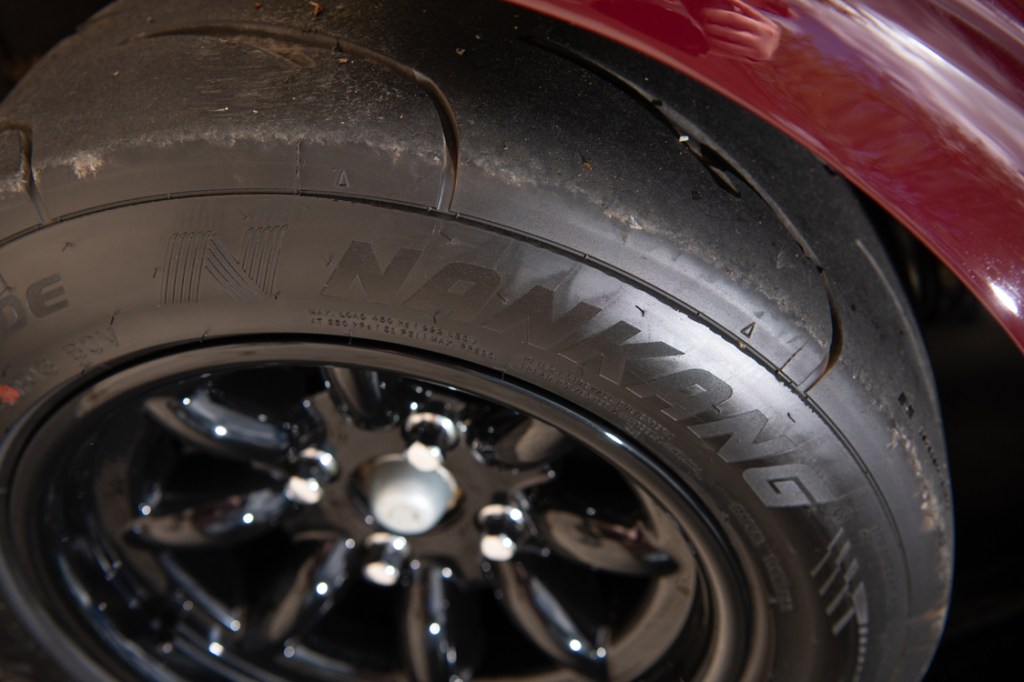
Tyre choice came down to practicality as much as performance. Kieran had previously used Yokohamas, but they were flicking up stones when driving to and from where the car is stored, which understandably made him a bit twitchy. The switch to Nankangs solved that concern while still giving the car the right stance and grip.
Genuine Two Gates wheels are next
As if the car wasn’t already complete enough, Kieran’s still got plans for it. He’s tracked down a genuine set of Two Gates wheels, which are currently waiting to be refurbished before going on the car. They’re the same size and offset as the current setup, so the fitment should remain spot-on, just with the satisfaction of running the real thing.
That feels very on-brand for this project. Nothing wild for the sake of it. Just taking something already excellent and nudging it a little closer to perfect.
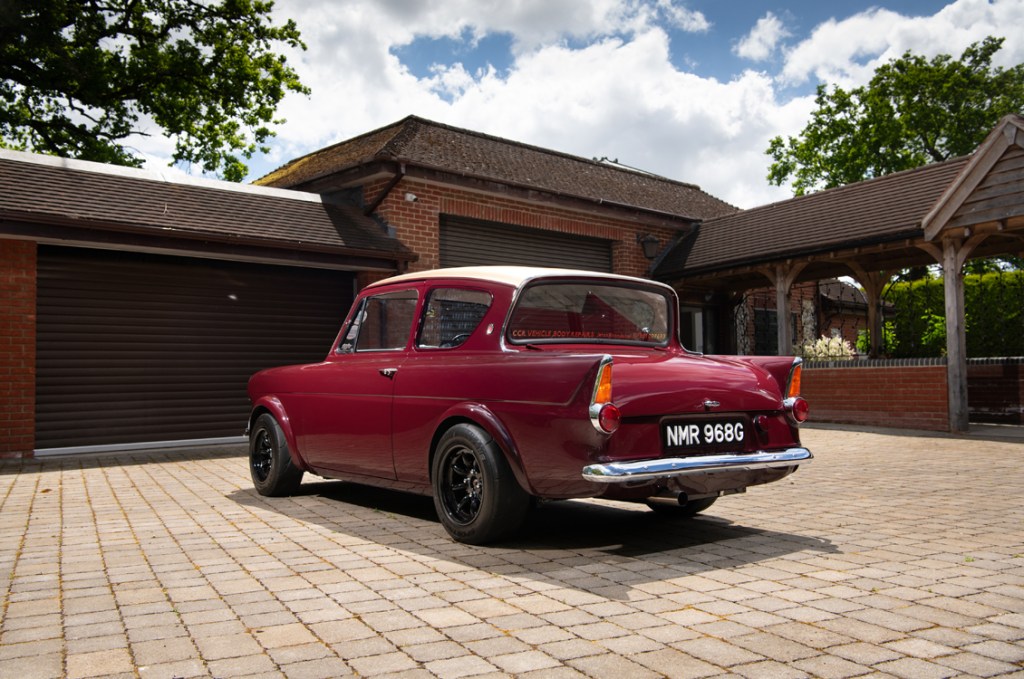
Why this Ford Anglia is a Build Master
What makes this Anglia special isn’t just the spec list, although that’s impressive enough. It’s the way every decision feels considered. The crossflow swap is traditional but properly engineered. The suspension is serious without ruining the car’s charm. The interior has been reworked without losing its period feel. And the styling is subtle enough that you have to look twice to realise how much work has actually gone in.
That’s what separates a great build from a merely expensive one. Kieran’s Anglia has personality, restraint and just enough clever engineering to make enthusiasts grin like idiots. In a world full of overbuilt classics and under-thought “restomods”, this gets the balance absolutely bang on.
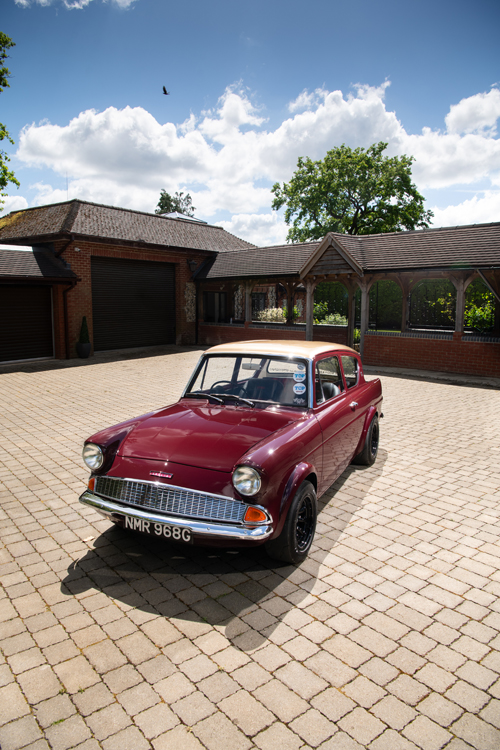

It runs a modified Ford crossflow engine, which is a classic upgrade for an Anglia and gives the car significantly more performance while keeping it true to old-school Ford tuning.
The engine is said to produce 138bhp, which is strong performance for a naturally aspirated crossflow in such a lightweight shell.
Kieran says the Anglia weighs 808kg, which helps explain why it feels so lively on the road.
Yes. Kieran built the car himself in his garage over the course of around three years.
The front end uses Mk2 Escort-based components including Bilstein compression strut coilovers, while the rear runs a five-link setup with coilovers, Panhard bar and a plated LSD.
The dry sump setup was used to get the engine sitting as low as possible in the bay, helping both clearance and centre-of-gravity.
No. The front arches were made from steel trailer arches, cut and reshaped to blend neatly into the body.
The car uses Corbeau GT4 seats that have been retrimmed to match the build’s custom tartan theme.