


Before you hit the track at TRAX on August 16, 2026 or Ford Fair on August 23, 2026, it’s time to get your preparation right.
We’re not talking about fitting big brakes, coilovers and sticky tyres – ideally, that work has already been done. If not, check out our guide on how to prepare your car for a track day before booking your session.
No, this guide is all about what happens on the day itself. How do you prepare both yourself and your car for the action ahead? Whether you’re a seasoned track-day regular or heading out for your very first Track Time session, these simple tips will help you get the most from your day while keeping safety and enjoyment front and centre.
Track Time sessions are available at both TRAX and Ford Fair, giving enthusiasts the opportunity to experience Silverstone’s legendary National Circuit from behind the wheel of their own car.
Sessions cost just £40, making Track Time one of the most accessible ways to enjoy one of the UK’s most famous racing circuits.
Prepare for a Track Day
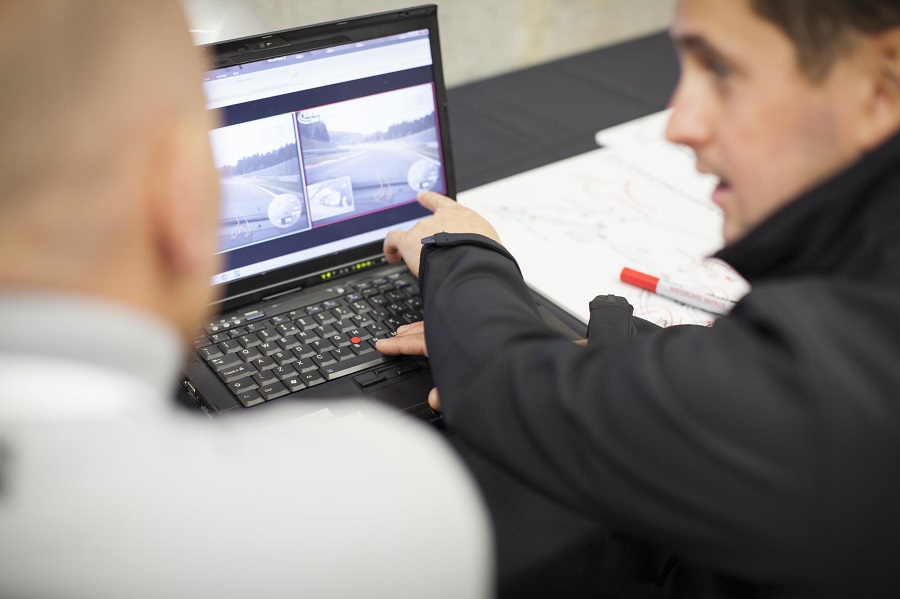
1. Read the Rules
Yes, we know it sounds boring, but the rules and guidance provided by organisers exist for one reason: to make sure everyone has a safe and enjoyable experience.
Listen carefully during the safety briefing, pay attention to the marshals and make sure you understand the track regulations before your session begins. Trust us – a few minutes of listening beats spending the day sat in the paddock
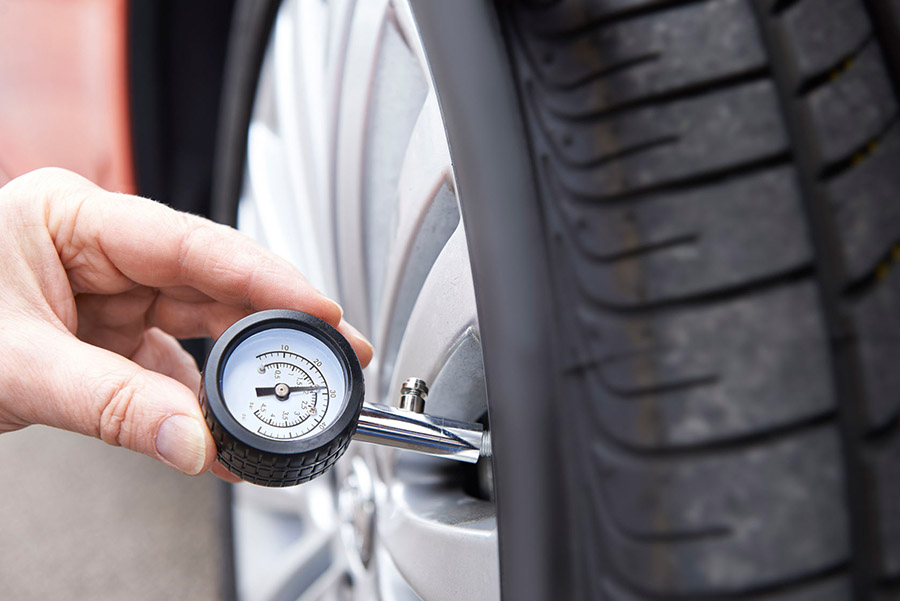
2. Reduce Your Tyre Pressures
Once you’re out on circuit, your tyres will heat up quickly and pressures will rise accordingly.
Dropping your cold tyre pressures slightly before heading onto the track helps maintain optimum grip and handling throughout the session. Just remember to reinflate them before driving home afterwards.
Tyres aren’t the only thing affecting grip, though. A properly sorted suspension setup helps keep the tyre in contact with the tarmac during hard braking, cornering and acceleration. That’s why experienced track-day enthusiasts often invest in quality suspension upgrades before spending money elsewhere.
For drivers attending TRAX, suspension upgrades remain one of the most effective ways to improve confidence and consistency on track. Systems such as the BILSTEIN B14 and BILSTEIN B16 ranges help improve body control, braking stability and overall chassis balance, allowing you to get more from every lap.
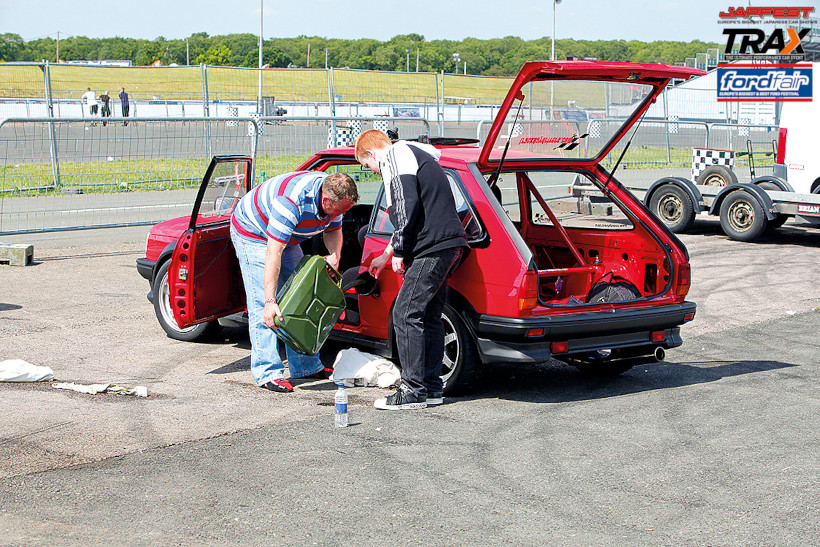
3. Check All Fluids
A lack of oil, coolant or brake fluid can end your track session very quickly – and potentially very expensively.
Before your session, check:
- Engine oil
- Coolant
- Brake fluid
- Power steering fluid (where applicable)
- Fuel level
Track driving uses significantly more fuel than road driving, so don’t assume you’ve got enough to last the session.
While you’re under the bonnet, it’s also worth carrying out a quick visual inspection of key mechanical components, including belts, hoses and suspension components. Any signs of leaks, damage or excessive wear should be addressed before heading onto the circuit.

4. Dress Appropriately
You’ll need a suitable crash helmet, either your own or one hired from the circuit.
Many track events also require drivers to wear clothing that fully covers their arms and legs, so pack accordingly. Sensible footwear is essential too.
Leave the flip-flops at home.
The safety briefing will explain any specific requirements, but it’s always better to arrive prepared.

5. Fit Your Tow Strap or Tow Eye
Nobody plans to leave the circuit on the back of a recovery truck, but things don’t always go according to plan.
If your car requires a tow following a mechanical issue or off-track excursion, marshals need to move it quickly and safely.
Making sure your tow eye or tow strap is fitted before your session starts could save valuable time and reduce disruption for everyone.

6. Clear Out Your Car
Anything loose inside the car becomes a potential hazard on track.
Remove:
- Loose tools
- Drinks bottles
- Phone cables
- Dash-mounted accessories
- Spare parts
- Shopping bags
Even something as small as a bottle rolling under a brake pedal can quickly turn into a serious problem.
A clean, clutter-free interior is both safer and lighter.

7. Display Your Passes
One of the easiest things to forget.
The passes and identification provided with your Track Time booking allow marshals to verify your session and vehicle eligibility.
Display them exactly as instructed and make sure they’re clearly visible before heading to the assembly area.
Without the correct passes, you won’t be permitted onto the circuit.
And yes, somebody forgets every year.
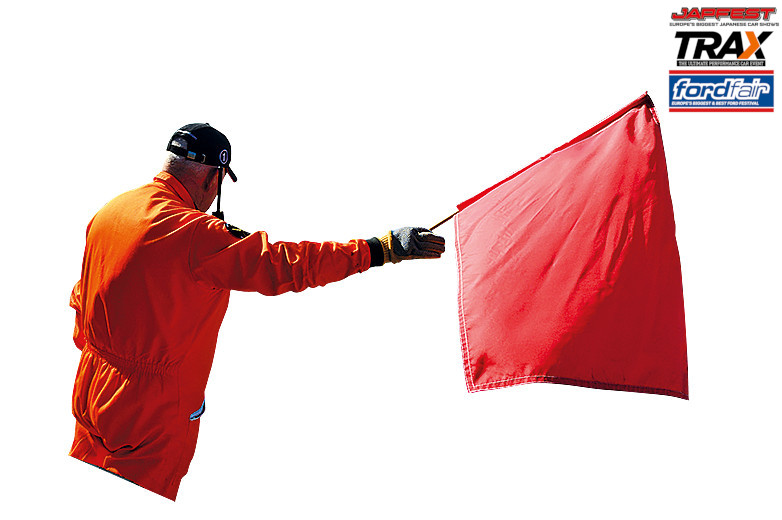
8. Learn the Flag Signals
Before heading onto the circuit, make sure you’re familiar with the basic flag system.
- Red Flag – Slow down safely, stop overtaking and prepare to stop if instructed.
- Yellow Flag – Hazard ahead. Slow down, be prepared to change direction and do not overtake.
- Yellow and Red Stripes – Reduced grip ahead due to oil, water or debris.
- Chequered Flag – Session complete. Finish the lap and return to the exit point.
- Black Flag – There’s a problem with your vehicle. Return to the pit lane immediately.
Understanding the flags keeps everybody safe and helps sessions run smoothly.

9. Remember, It’s Not a Race
This is probably the most important advice in the entire article.
Track Time is designed to be fun, safe and accessible.
You’re not racing for a trophy. You’re not qualifying for Le Mans. You’re there to enjoy your car and improve your driving.
Leave your ego in the paddock.
Focus on being smooth, predictable and respectful of other drivers, and you’ll enjoy the experience far more.

10. Cool Down Properly
At the end of your session, everything on your car will be significantly hotter than normal.
Use your final lap as a cool-down lap.
Avoid heavy braking and aggressive acceleration, allowing temperatures to stabilise gradually before returning to the paddock.
Once parked:
- Leave the engine running briefly
- Open the bonnet if required
- Check fluid levels
- Inspect tyres
- Avoid applying the handbrake immediately
A pair of wheel chocks can be extremely useful here.
Don’t forget to check and reset your tyre pressures before driving home too.
11. Check Your Suspension Setup
Brakes and tyres usually get all the attention before a track day, but suspension is what ties the entire package together.
Worn dampers can affect:
- Braking stability
- Steering response
- Tyre wear
- Driver confidence
Before your session, inspect suspension components for leaks, damage or excessive wear.
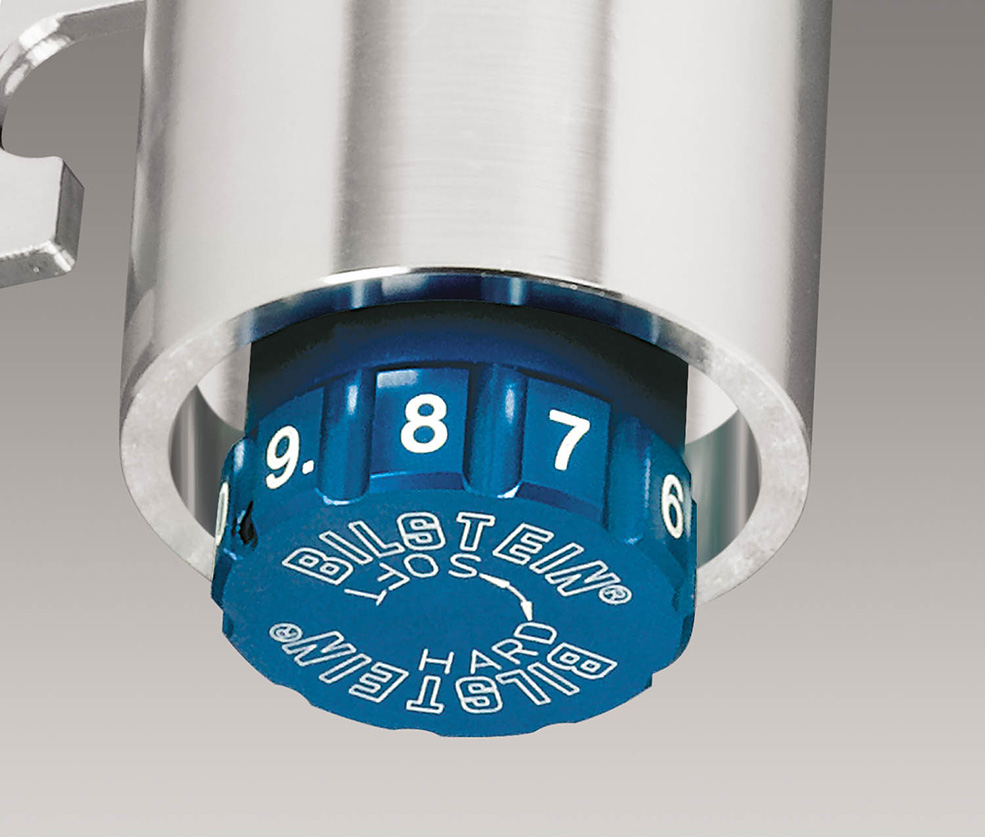
Whether you’re running standard suspension, a BILSTEIN B14, an adjustable BILSTEIN B16, or one of the more track-focused EVO products, ensuring everything is functioning correctly can make a huge difference once you’re out on circuit.
A well-controlled chassis allows you to focus on driving rather than fighting the car.
Not sure which setup is right for your build? BILSTEIN’s suspension range covers everything from OEM replacement dampers through to dedicated track-focused systems, and their team can help point you in the right direction.
Learn the Silverstone National Circuit
So you’ve completed the briefing, checked the car, fitted your wristband and lined up in the assembly area.
Now what?
The smart drivers spend a little time learning the layout before their session begins.
Silverstone’s National Circuit might look straightforward on paper, but understanding key corners such as Copse, Maggotts, Brooklands and Luffield can make a huge difference to both confidence and lap times.
Be sure to check out our complete Silverstone National Circuit Track Guide before heading onto the track.

Should You Consider Track Insurance?
Track sessions are generally very safe, but accidents can happen.
Track-day insurance provides peace of mind should the unexpected occur, covering accidental damage sustained while on circuit.
Many specialist insurers offer single-day policies specifically designed for events such as TRAX and Ford Fair, while some providers can add track-day cover to existing road insurance policies.
It’s worth investigating before the event, particularly if your pride and joy represents a significant investment.

Ford Owners: Enjoy the Track with Confidence
If you’re heading to Ford Fair, there’s no reason to spend the whole session worrying about what might happen if things don’t go to plan.
Track driving is designed to be safe and enjoyable, but accidents can happen. That’s where Ford Accident Management comes in.
Ford Accident Management helps return damaged vehicles to factory standards using approved repair methods and genuine Ford parts, helping owners protect both the performance and value of their vehicles.
So instead of worrying about the risk or repair, focus on enjoying your time on track and making the most of the Silverstone experience.
If the unexpected happens, Ford Accident Management is there to help get your Ford back to its best.
Enjoy Your Track Session
Preparation is the key to a successful day on track.
Take the time to prepare properly, respect the rules, check your car thoroughly and build your pace gradually.
Do that, and you’ll discover exactly why so many enthusiasts return to Silverstone year after year.
TRAX returns to Silverstone on August 16, 2026, while Ford Fair takes over the circuit on August 23, 2026. Both events offer Track Time sessions for just £40, giving you the chance to enjoy one of Britain’s greatest circuits in your own car.
TRAX Track Time is proudly supported by BILSTEIN, helping drivers unlock the full potential of their suspension setup on road and track.
At Ford Fair, Track Time is supported by Ford Accident Management, giving Ford owners extra confidence to enjoy their cars knowing expert repair support is available should the unexpected happen.
Whichever event you’re attending, prepare properly, drive smoothly and enjoy every lap.
We’ll see you on track.